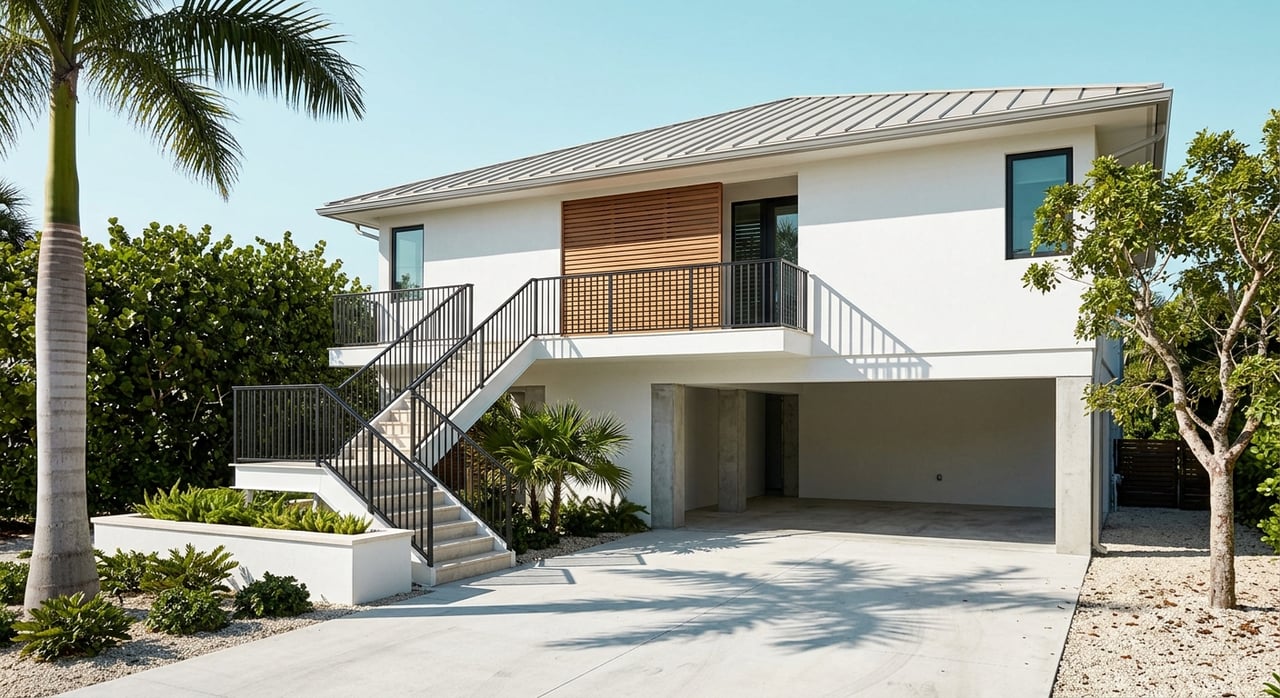
Buying A Second Home On Sugarloaf Key: What To Consider
If you’re dreaming about a second home in the Lower Keys, Sugarloaf Key often stands out for a simple reason: it can give you more of the laid-back island lifestyle without putting you far from Key West. That balance matters when you want a home that feels like an escape, but still works for real life. Before you buy, it helps to look beyond the view and think carefully about water access, taxes, flood risk, and seasonal ownership. Let’s dive in.
Sugarloaf Key is a Lower Keys island in Monroe County, and it is often framed as a more residential alternative to staying in town. Official tourism listings place Sugarloaf-area lodging around mile marker 17, with downtown Key West roughly 15 to 20 minutes away by road. For many second-home buyers, that creates a sweet spot between privacy and convenience.
Unlike areas with a dense condo inventory, Sugarloaf is better understood as a market where parcel-specific features matter. Monroe County’s property appraiser broadly classifies real property as vacant land, single-family homes, condominiums, mobile homes, and commercial properties, and current listing portals for Sugarloaf show canal-front lots and waterfront homes. In practical terms, your exact lot, waterfront setup, and access can shape value as much as the house itself.
A second home on Sugarloaf Key offers a different experience from an in-town purchase in Key West. Key West is described by local tourism sources as a place where many historic attractions are reached by walking, biking, public transportation, pedi-cabs, trolleys, or taxis. The city also notes that Key West Bight Marina is a short walk from Duval Street and Old Town.
Sugarloaf gives up some of that walkable, in-town rhythm. In return, you may gain a quieter, more residential setting in the Lower Keys with more emphasis on space, water access, and a slower day-to-day pace. If your second-home goal is calm mornings, boating days, and easy drives into Key West when you want dining or entertainment, Sugarloaf can be a strong fit.
In Sugarloaf, the lot is often just as important as the structure. That is especially true if you are buying for boating, fishing, or waterfront living. A beautiful home can still be the wrong match if the parcel does not support the way you plan to use it.
Start with the basics:
These questions matter because Sugarloaf sits within the Florida Keys National Marine Sanctuary. NOAA says this protected area includes coral reefs, mangroves, and seagrass meadows, and supports boating, diving, fishing, and related recreation. If boating is part of your second-home vision, your due diligence should go far beyond whether a property is technically waterfront.
Not all waterfront is equal. In a market like Sugarloaf, two homes can look similar online but offer very different day-to-day experiences on the water. That is why water depth, dock rights, and navigation details deserve careful review before you make an offer.
The county fishing guide references the Lower Sugarloaf Channel, and local tourism safety guidance emphasizes shallow-water boating and diver-flag awareness. That makes it especially important to understand whether your boat, draft, and intended use match the property’s real-world access. A second home should support your lifestyle with as few surprises as possible.
In the Keys, flood and hurricane exposure are not side issues. They are core ownership costs. If you are comparing Sugarloaf properties, this should be one of the first budget conversations you have.
FEMA states that most homeowners insurance does not cover flood damage, and flood insurance is a separate policy. The official source for flood-hazard maps is FEMA’s Flood Map Service Center, and Monroe County also provides a flood-map comparison application that lets owners compare effective, preliminary, and appeal maps. That means you can and should investigate flood-zone details at the parcel level before committing.
The National Hurricane Center says Atlantic hurricane season runs from June 1 through November 30. For second-home owners, especially seasonal owners, that makes storm preparation, insurance, and off-site property oversight essential parts of ownership planning. These are not optional add-ons in the Lower Keys market.
A second home budget on Sugarloaf should include more than your mortgage and insurance. Monroe County’s tax collector handles both ad valorem taxes and non-ad valorem assessments, and residential solid-waste collection is billed as a special assessment on the annual tax bill. The county’s MSBU program can also create neighborhood assessments for projects such as flood protection and quality-of-life improvements.
For Sugarloaf specifically, Monroe County’s 2025 final tax-rate table lists the Sugarloaf district at 8.6420 mills. You will want to review the full tax bill, not just the headline property tax number, because assessments can affect annual carrying costs. Monroe County’s Property Appraiser also offers property search tools and GIS maps, which are helpful for parcel-level review.
This is a common second-home mistake. Florida’s homestead exemption applies to a permanent residence, so a second home generally should not be modeled with that tax benefit. If you are coming from out of state or buying your first Florida getaway property, that distinction can make your carrying-cost estimate more accurate.
This matters even more in a market where insurance and maintenance can already be meaningful line items. A realistic budget helps you buy with confidence and avoid payment shock later.
A second home is not just a purchase. It is an ongoing management decision. If you will not live in Sugarloaf year-round, you should think through how the property will be cared for during absences.
Late summer and early fall are typically the off-season in the Keys tourism cycle, and that overlaps with hurricane season. If you plan to be away for long stretches, ask yourself how the home will be secured, monitored, and maintained. Even buyers focused on lifestyle should treat seasonal maintenance planning as part of the acquisition process.
Useful questions include:
Sugarloaf ownership also comes with local environmental realities. Big Pine to Lower Sugarloaf is part of Key deer country, and the U.S. Fish & Wildlife Service asks drivers to use extra care there. For full-time and seasonal owners alike, that can influence how you think about evening drives, arrival timing, and day-to-day travel habits.
This may seem like a small point, but it helps paint a more complete ownership picture. A second home should match not only your aesthetic preferences, but also the rhythm of the area and the responsibilities that come with it.
When you are narrowing down homes on Sugarloaf Key, a structured review can save time and reduce risk. In this market, your due diligence should focus on parcel realities, annual holding costs, and how the property performs when you are not in residence.
A smart checklist includes:
Buying a second home in the Lower Keys is rarely just about square footage. It is about matching your lifestyle goals to the right micro-location, the right parcel, and the right ownership plan. Sugarloaf can be an excellent choice if you want a residential feel with close access to Key West, but the details matter.
That is where local guidance becomes valuable. When you have an advisor who understands the differences between in-town Key West living and Lower Keys second-home ownership, you can make a more informed and more confident decision.
If you’re exploring a second home on Sugarloaf Key and want tailored insight on property type, water access, and ownership costs, schedule a free consultation with Lori Langton.
I feel extremely blessed to call Key West my home, and I love helping others make their real estate sale or purchase a pleasant, productive and profitable one.
LORI LANGTON
Luxury Collection Specialist
(305) 923-1685
[email protected]
336 Duval Street
Key West, FL 33040