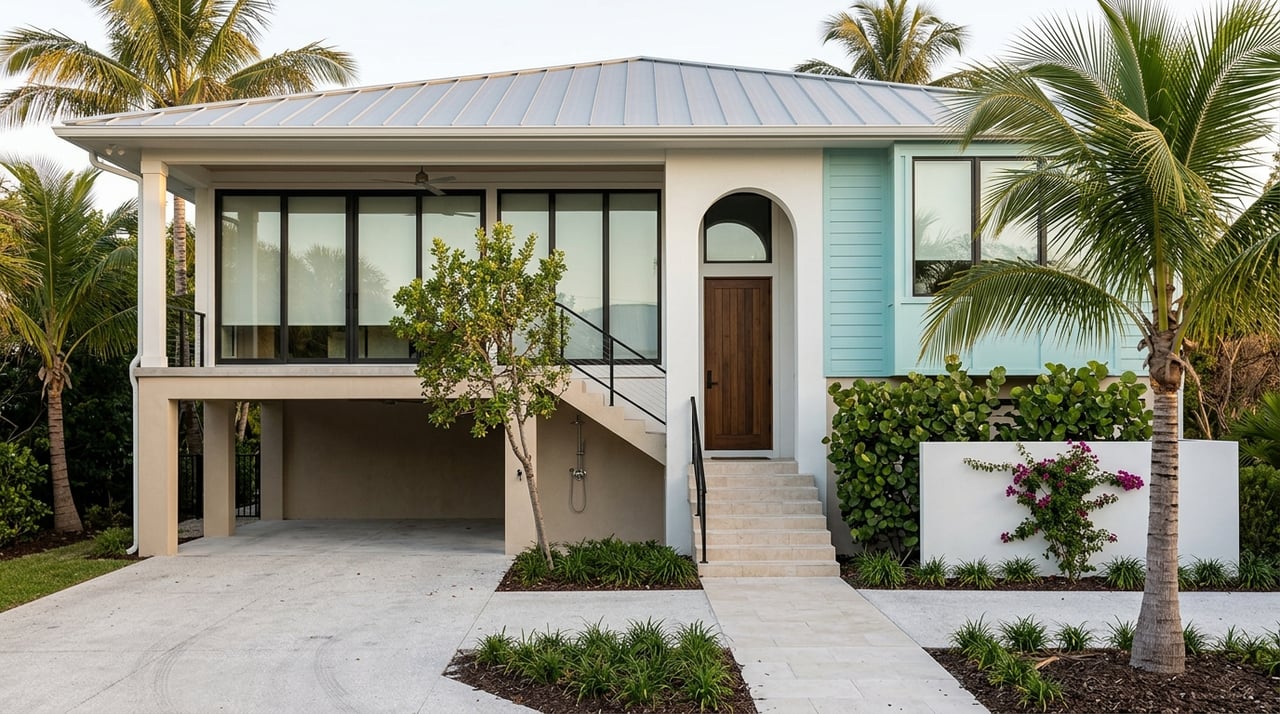
Seasonal Rental Potential On Sugarloaf Key: What Buyers Should Know
If you are eyeing Sugarloaf Key with rental income in mind, one question matters fast: what kind of rental is actually realistic here? That is an important distinction, because Sugarloaf Key is not simply a plug-and-play short-term rental market. If you want a smart purchase, you need to understand local rules, seasonality, and the property details that can make or break usability. Let’s dive in.
Sugarloaf Key sits in Monroe County’s Lower Keys planning area, which the county describes as a low-density, primarily residential community shaped by open space, recreation, wildlife, and the natural environment. That local character matters when you think about rental demand. In many cases, the better fit is a quieter seasonal or monthly rental model rather than a high-turnover vacation setup.
For many buyers, the biggest issue is that vacation rentals are not allowed everywhere in unincorporated Monroe County. Where they are allowed, the county generally requires a Special Vacation Rental Permit, and advertising must show a 28-day minimum stay and monthly rates. That means you should not assume a home can be rented nightly or even weekly just because it is in the Keys.
The county also requires an annual permit for each unit and a county-licensed vacation rental manager for each vacation rental unit. As listed by Monroe County, the initial permit fee is $490, the renewal fee is $100, and the manager license fee is $110. Some limited exemptions may apply in certain gated communities or some multifamily properties with on-site supervision, but those are exceptions, not the baseline.
If you are buying on Sugarloaf Key, your underwriting should start with the assumption that monthly or seasonal occupancy may be the most practical path unless a property has a specific exemption or another allowed use route. That approach better matches the county’s rental framework. It also tends to fit the area’s laid-back, outdoors-focused appeal.
This does not mean there is no rental opportunity. It means the opportunity often looks different from what buyers expect in a tourism-heavy market. The strongest plan is usually based on compliance first, then demand.
The Florida Keys see their most popular travel period in winter and spring. Summer and fall typically bring fewer crowds and better rates, but also more rain and greater storm risk. Hurricane season runs from June 1 through November 30, with the highest storm potential traditionally between August 15 and October.
That seasonality can shape both revenue and risk. If you are counting on rental income to offset ownership costs, it is wise to model stronger winter demand and slower summer and fall occupancy. A conservative forecast usually gives you a clearer picture than a best-case one.
Monroe County’s 2024 Visitor Profile Study adds useful context. The average stay was 5.6 nights, with 51% of visitors staying 4 to 7 nights and 41% staying 1 to 3 nights. At the same time, 63% planned at least a month ahead and 66.3% looked for a special deal when booking.
That tells you two things. First, there is meaningful lodging demand across the Keys. Second, price sensitivity and advance planning still matter, especially when your property is competing with many other lodging choices.
Seasonal and vacation rentals accounted for 15.9% of Keys stays in 2024, while hotels, motels, and resorts accounted for 61.9%. In other words, travelers do choose rentals, but the broader lodging market is crowded. Buyers should factor that into their rate expectations.
This is especially important if you are comparing a home purchase to a simple online income estimate. Rental performance is not just about whether people visit the Keys. It is about whether your specific property, location, layout, and legal use line up with what guests want and what the county allows.
The same visitor study found that lodging was the largest spending category at $740 per person per trip. It also found that 79% dined out, 68% did beach activities, 59% went sightseeing or visited attractions, and wildlife viewing increased year over year. Those patterns support the idea that visitors are paying for experience and convenience, not just a place to sleep.
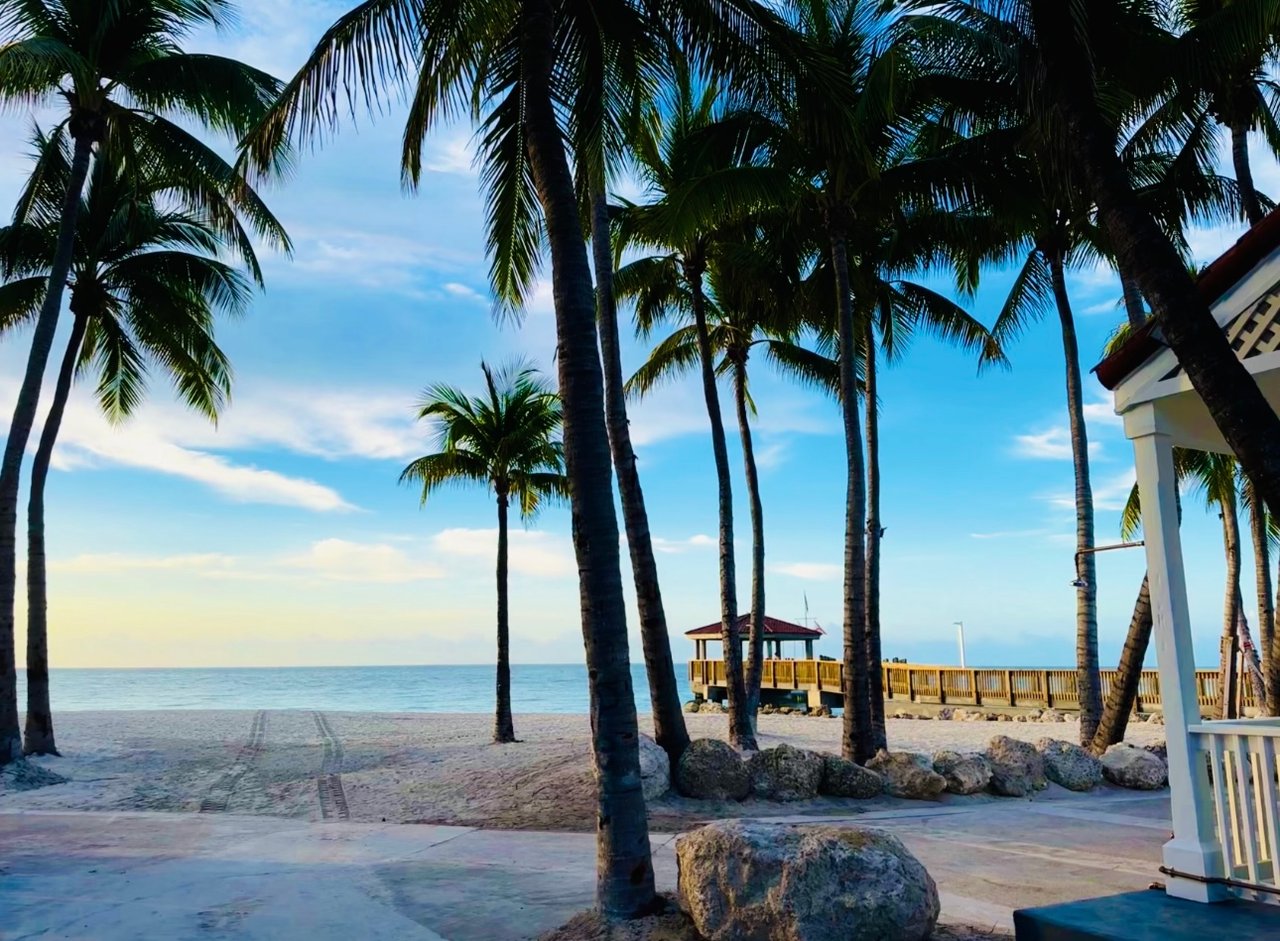
On Sugarloaf Key, rental appeal often ties back to the Lower Keys lifestyle. Tourism materials for the area emphasize calmer, less crowded, nature-driven experiences like kayaking through mangroves, fishing, snorkeling, quiet outdoor time, and enjoying the water. For buyers, that suggests certain property features may stand out more than flashy turnover-oriented amenities.
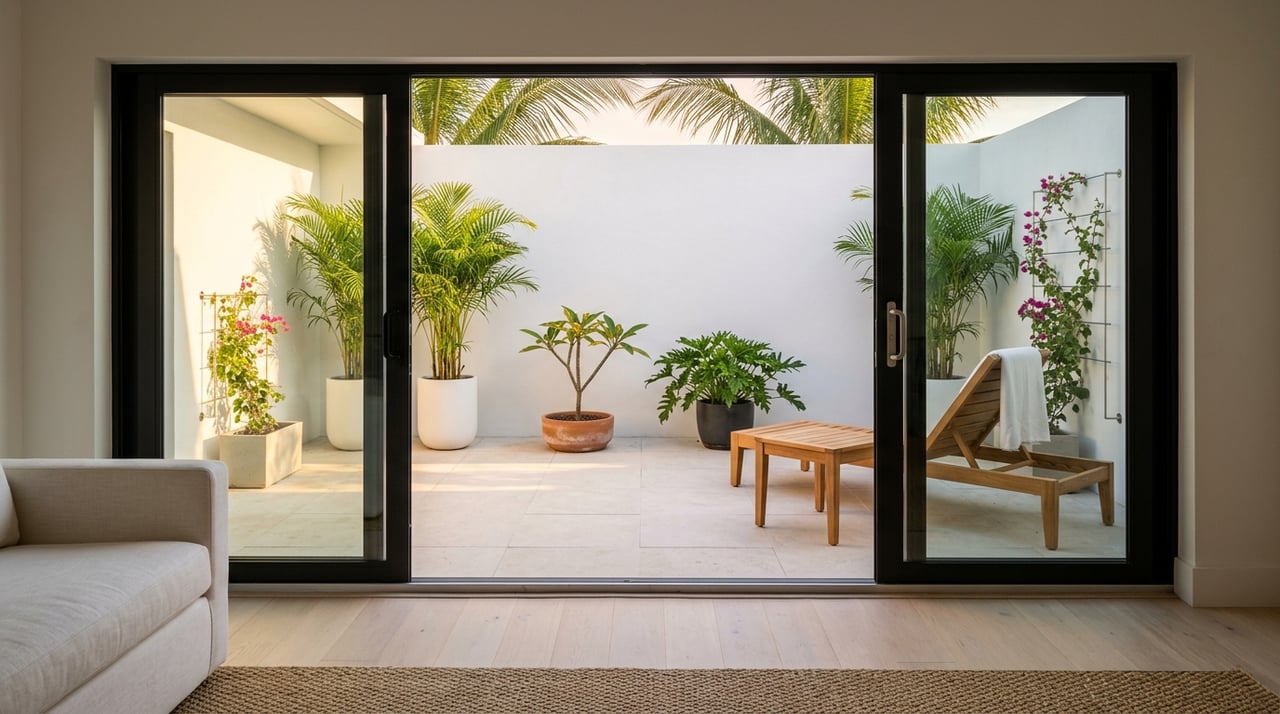
Useful outdoor living space can be a major plus. Easy access to water-based recreation can also help. Homes that feel low-maintenance and easy to enjoy as an island base may align well with what many seasonal renters are looking for.
That said, charm alone is not enough. On Sugarloaf Key, the practical details are often just as important as the lifestyle story.
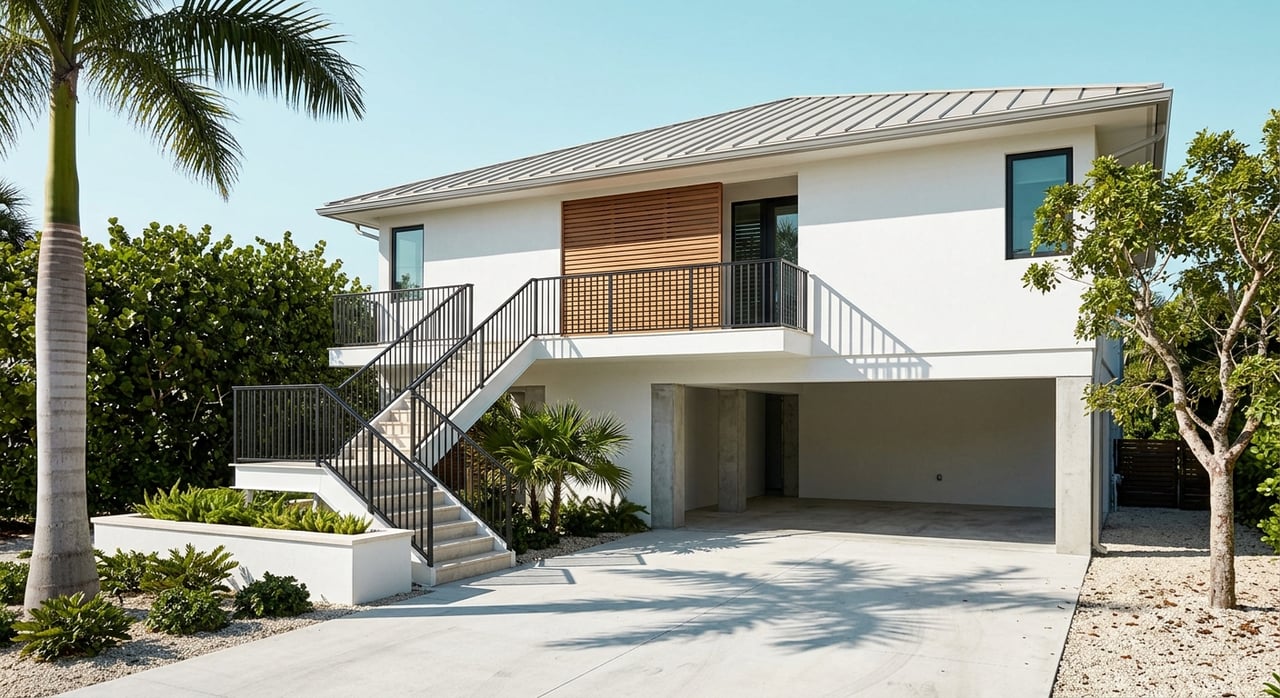
Monroe County code is especially relevant for waterfront and canal properties. Vacation rental units generally must keep vehicles, watercraft, and trailers off the street and in approved off-street spaces. The code requires one vehicle space per bedroom or efficiency unit and one boat-trailer space per unit.
The county also limits how guest watercraft and dock use can operate. For that reason, buyers should study the lot layout carefully before closing. A home can look ideal online and still have real operational limits once you account for parking, trailer space, and dock use.
Here are a few details worth reviewing closely:
These details may affect compliance, guest experience, and long-term rental viability.
In the Lower Keys, environmental risk is not a side note. Monroe County warns that low elevations, heavy rain, tropical storms, hurricanes, and storm surge can all contribute to flooding. The county directs owners to review flood-hazard information, map determinations, base flood elevations, and flood protection guidance before construction or remodeling.
County resiliency planning also notes that sea level at the Key West gauge rose about 3.9 inches from 2000 to 2017. For buyers, that does not automatically rule out a purchase. It does mean you should look at resilience, insurance implications, renovation plans, and seasonal operating strategy with clear eyes.
If you expect a property to carry itself partly through rental income, storm-related interruptions should be part of your projections. A realistic budget is usually the safer one.
A beautiful showing is not enough when rental use is part of your plan. Before you close, confirm the property’s land-use district, future land use map designation, FEMA flood zone, and local vacation rental rules using Monroe County’s GIS and research tools. The county specifically points owners to those tools because rules vary by district and location.
You should also ask whether the property already has a Special Vacation Rental Permit and whether that permit would need to be reissued after closing. Monroe County says these permits are nontransferable. In practice, that means a legal past use does not automatically guarantee a seamless continuation after a sale.
It is also smart to confirm whether a licensed vacation rental manager is already in place and how that manager handles day-to-day compliance. That includes:
Those are not minor details. They are part of operating within county rules.
Monroe County’s Tourist Development Tax is 5% on rentals of six months or less. That is in addition to Florida’s 7.5% sales and use tax. Returns are due monthly, even if no tax was collected during that period.
For buyers, this is a reminder that rental ownership here is not just about collecting checks during high season. It is an ongoing compliance business. The right systems and local support can make a big difference in how manageable the property feels over time.
The most prudent approach is usually the simplest one. Assume winter-heavy demand, slower summer and fall occupancy, possible weather interruptions, and a rental structure shaped by Monroe County’s permit rules. If the numbers still work under those conditions, you are likely evaluating the property on solid ground.
Sugarloaf Key can offer compelling seasonal rental potential, especially for buyers who appreciate its quieter Lower Keys setting and natural, water-focused lifestyle. But the best opportunities tend to go to buyers who pair that lifestyle vision with careful due diligence.
If you are exploring Sugarloaf Key as a second home, investment property, or lifestyle purchase with income potential, working with a local advisor can help you evaluate the details that matter most. To talk through your options, local rules, and property fit, schedule a free consultation with Lori Langton.


I feel extremely blessed to call Key West my home, and I love helping others make their real estate sale or purchase a pleasant, productive and profitable one.
LORI LANGTON
Luxury Collection Specialist
(305) 923-1685
[email protected]
336 Duval Street
Key West, FL 33040