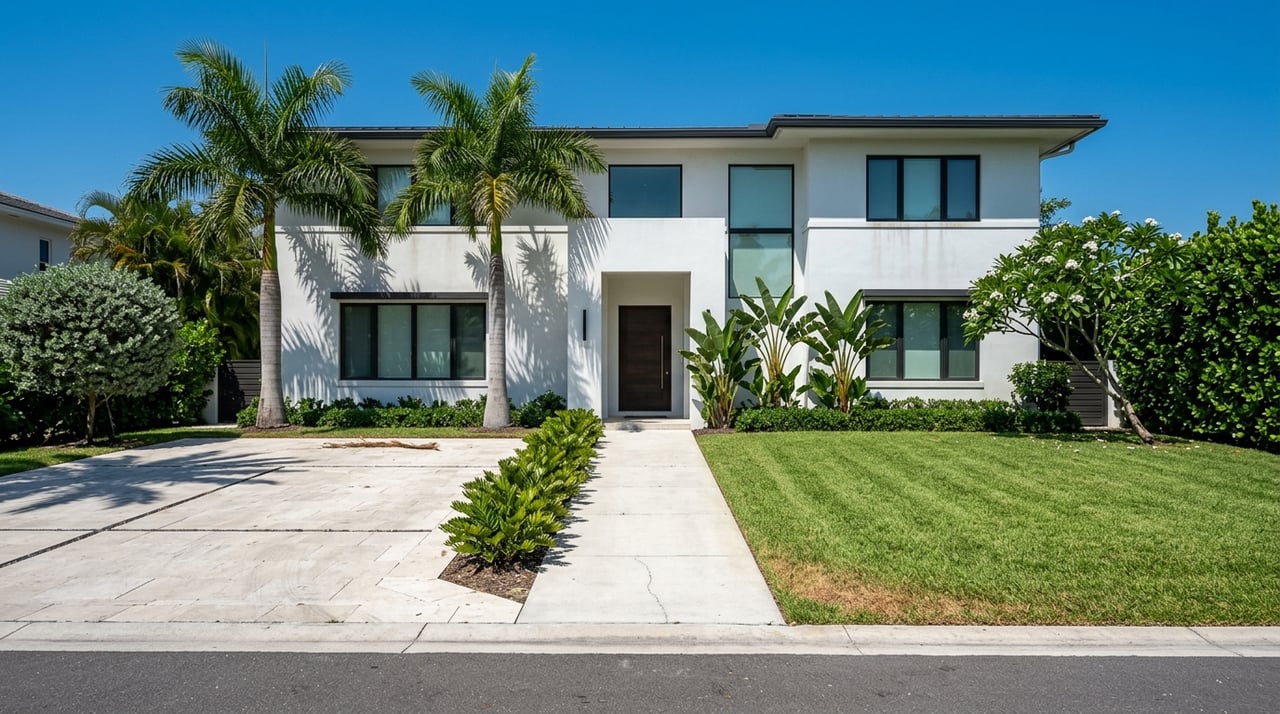
Choosing Between New Town and Old Town in Key West
If you are deciding between New Town and Old Town in Key West, you are really choosing between two different ways of living on the same island. One offers historic character, compact walkability, and easy access to the seaport and Duval Street. The other offers a broader mix of homes, easier day-to-day driving, and strong access to beaches, shopping, and canal-front properties. This guide will help you compare both areas so you can choose the neighborhood that fits your priorities with confidence. Let’s dive in.
At the most basic level, Old Town is generally west of 1st Street, while New Town is east of 1st Street, according to the City of Key West stormwater master plan. That same city plan notes that Old Town developed on the higher western ground of the island, while New Town is relatively flat.
That geography helps shape how each area feels. Old Town is closely tied to Key West’s historic core, with a compact street grid and preserved older homes. New Town feels more spread out and practical for daily routines, with a wider housing mix and easier access to major roads, shopping, and the airport.
Old Town is the part of Key West many people picture first. The neighborhood is known for its historic streetscape, older homes, and close connection to the island’s waterfront core.
The city’s historic materials show that Old Town’s identity is strongly shaped by preservation. If a property is located within the historic district, exterior changes and new structures generally fall under HARC jurisdiction, which means a Certificate of Appropriateness is often required before work begins.
For some buyers, that is part of the appeal. Old Town offers a strong sense of place, and city design guidelines describe a pedestrian-oriented pattern with primary streets, interior lanes, active facades, and parking often placed to the side or rear. It is a neighborhood where the built environment encourages walking and a close connection to the street.
New Town offers a different version of Key West living. Instead of a historic core, you will find a broader range of home styles and a layout that tends to work well for people who drive regularly and want quick access to everyday errands.
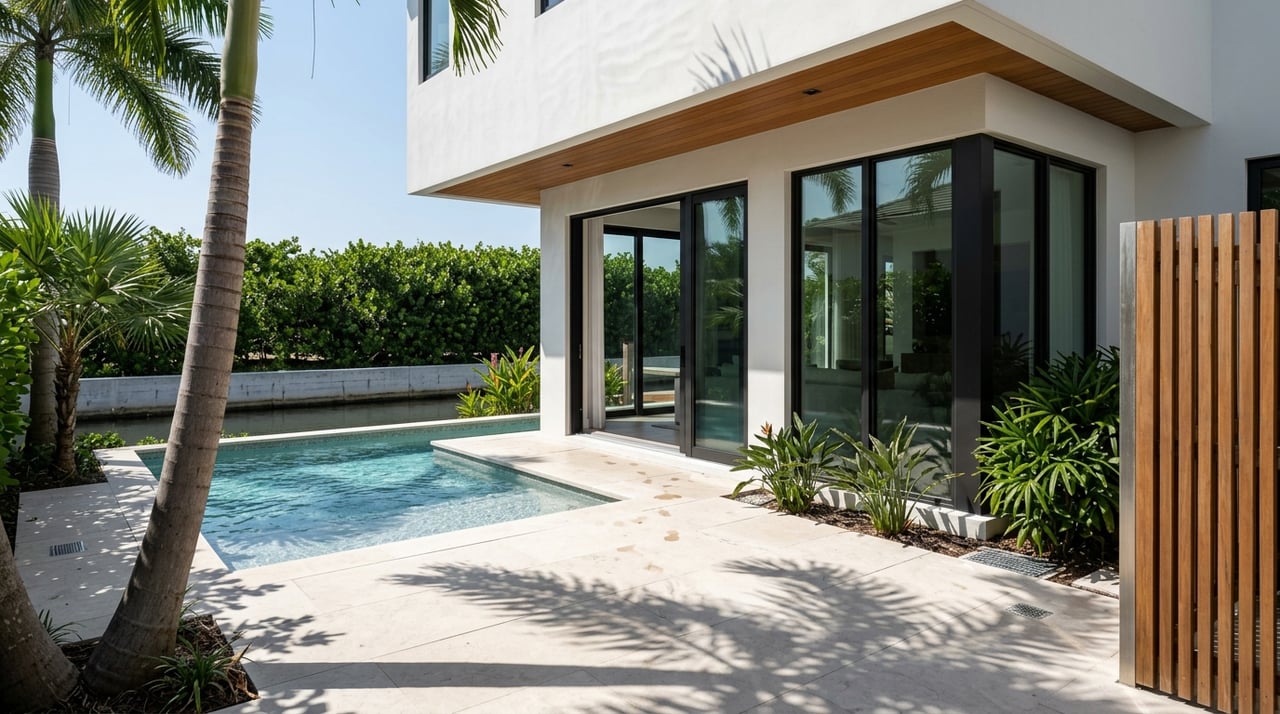
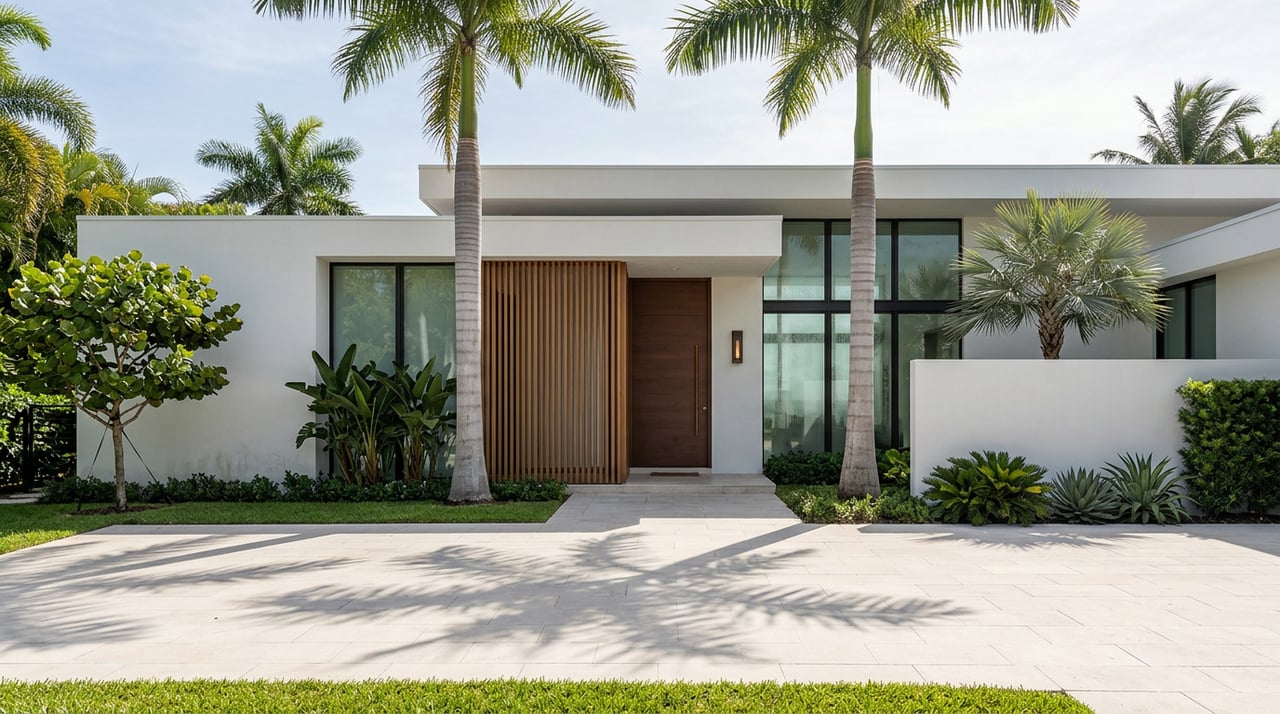
According to Homes.com’s New Town neighborhood overview, the area includes midcentury and contemporary homes, along with condos and townhouses. Some properties are located along the Riviera Canal, which can be especially appealing if waterfront access is high on your wish list.
The overall lifestyle here is often more practical and flexible. You may have more options by property type, and the area is well positioned for access to shopping centers, U.S. 1, and Key West International Airport.
One of the biggest differences between New Town and Old Town is the housing stock.
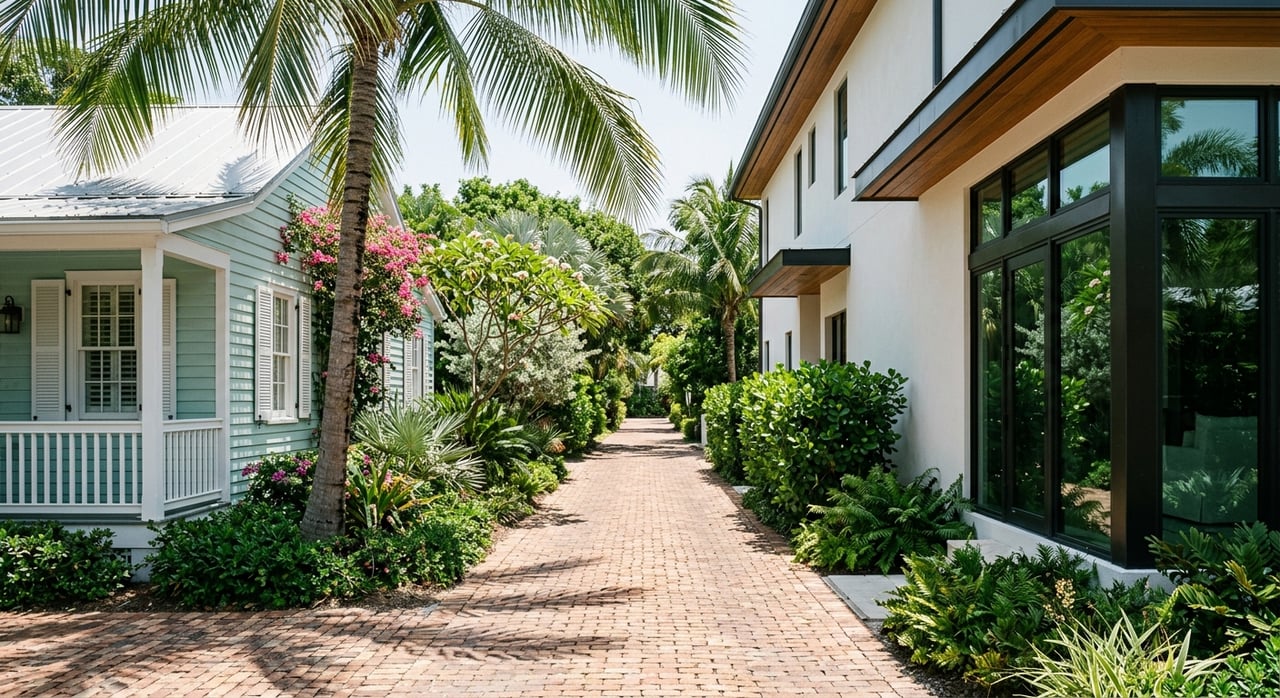
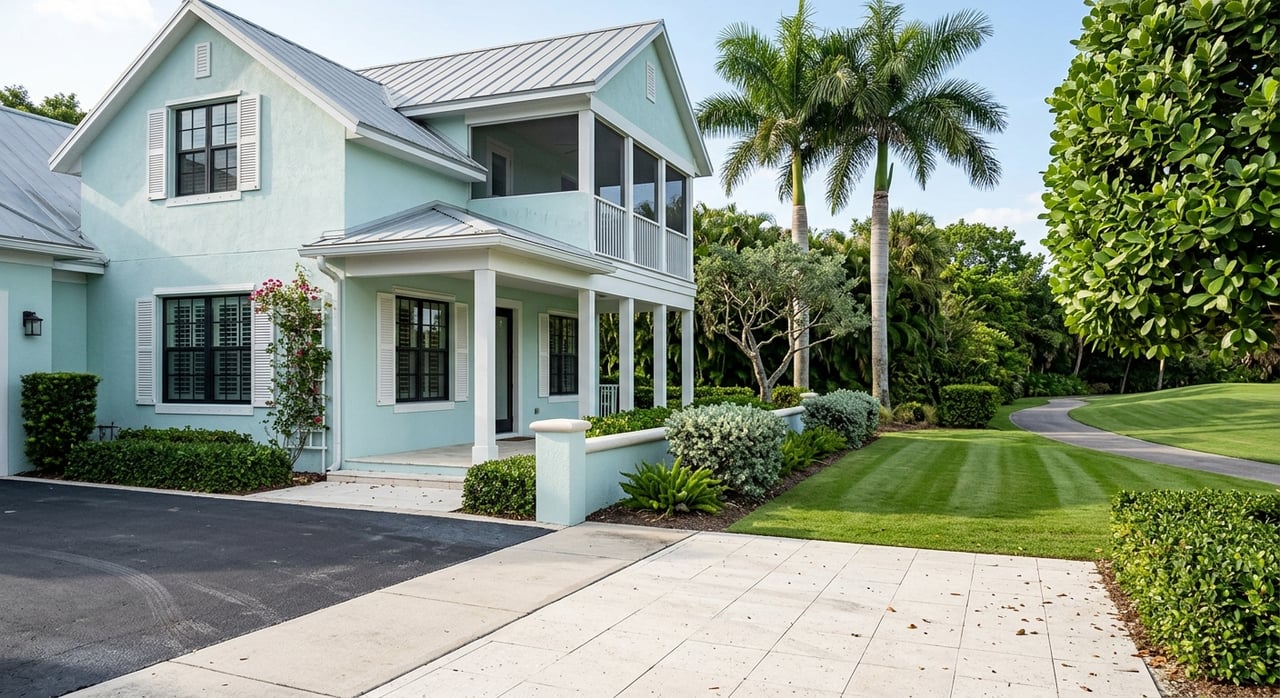
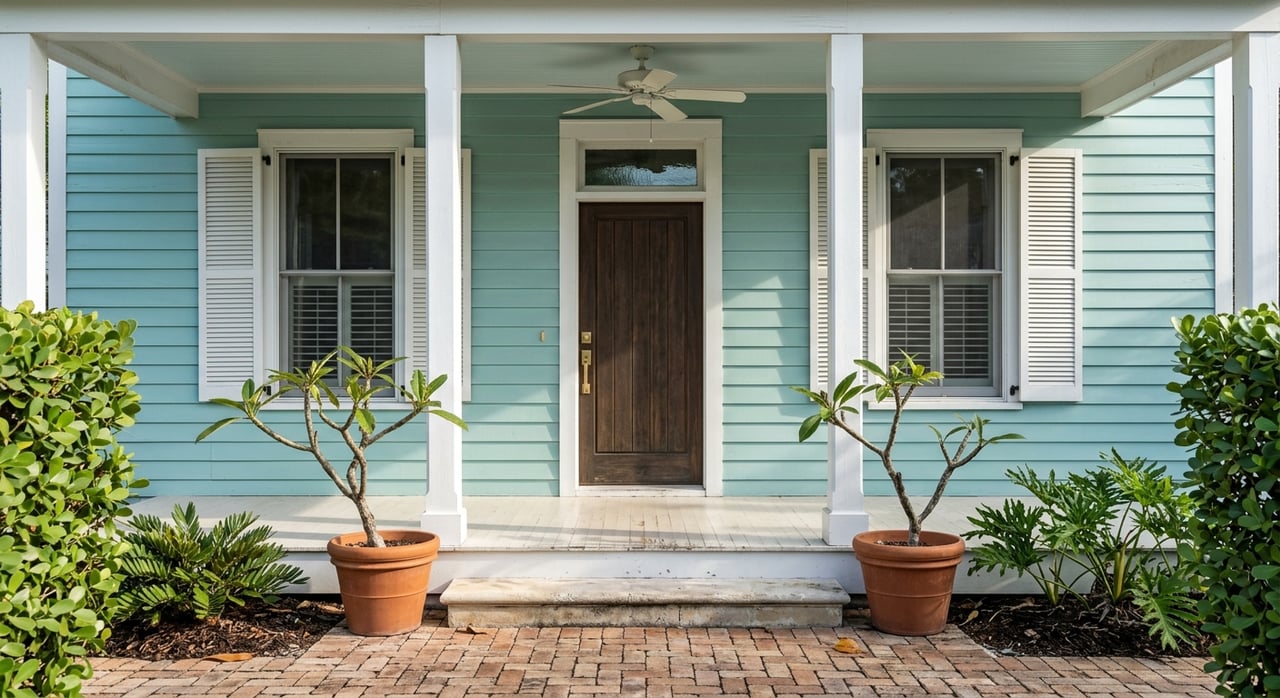
Old Town is known for historic homes, including conch-style properties and other older wooden structures. The city notes that Key West has one of the country’s largest collections of historic wooden buildings, and its layered development history helps explain why Old Town has such a distinct architectural character. Homes.com reports a 12-month median sale price of $1.45 million in Old Town.
New Town offers more variety. The area includes single-family homes, condos, townhouses, and some waterfront options, with a 12-month median sale price of $850,000 on Homes.com’s New Town page. While prices vary by location, condition, and water access, that reported spread suggests New Town may offer a lower entry point than Old Town on that platform.
If you are planning to renovate, expand, or make exterior changes, this is a major point of comparison.
In Old Town, preservation review can be part of ownership. The city states that properties within the historic district are subject to HARC review for exterior changes and many new structures. That process helps protect neighborhood character, but it can also add time and design constraints to a project.
In New Town, the conversation is usually less centered on historic review and more centered on the property itself, its condition, and location-specific factors. If renovation freedom is one of your top priorities, New Town may feel more straightforward.
Your daily habits should play a big role in your decision.
Old Town concentrates many destinations into a smaller area. The Key West Bight Marina sits in the Historic District and is a short walk from Duval Street and Mallory Square. The city also notes that Old Town transit stops are served by Key West Rides On-Demand, and there is an Old Town Parking Garage at 301 Grinnell Street.
If you want to walk to dining, waterfront activities, and the historic core, Old Town has a clear advantage. If your day usually includes getting in the car for errands, appointments, or airport runs, New Town may feel easier.
A city planning document identifies major shopping centers off North Roosevelt Boulevard, including Key Plaza, Searstown, and Overseas Market. That puts New Town closer to many of the drive-up conveniences people use most often.
Both neighborhoods offer water access, but they do it differently.
Old Town’s waterfront is centered on the historic seaport experience. The Key West Historic Seaport and harborwalk connect you to marinas, waterfront dining, boutiques, museums, and boating activity. If you picture being near the working waterfront and the energy of the old harbor, Old Town stands out.
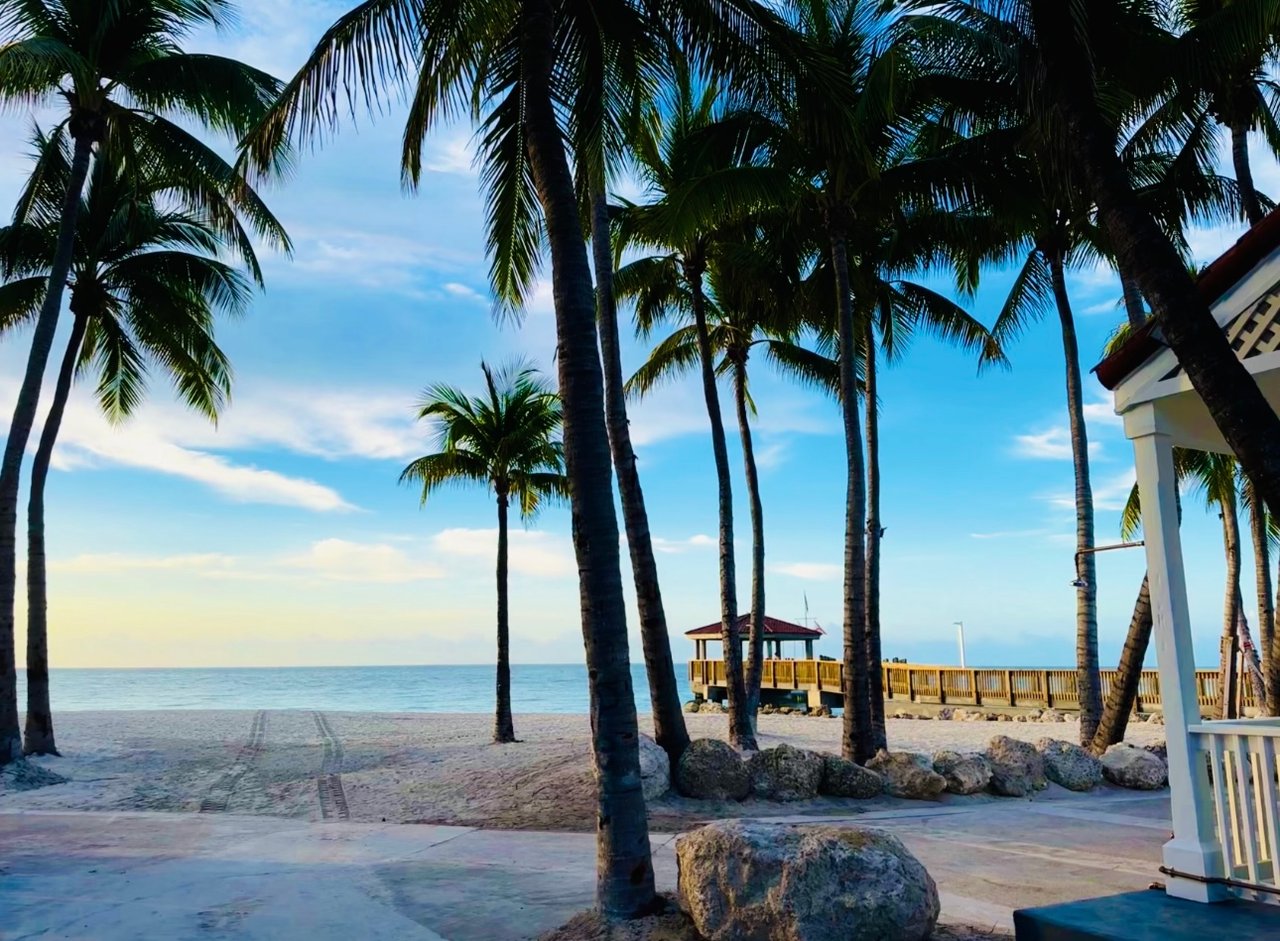
New Town leans more toward beaches and canals. The city identifies Smathers Beach as Key West’s largest public beach, and Higgs Beach and Edward B. Knight Pier also add to the area’s recreational appeal. If beach access or canal-front living matters more to you than being near the seaport, New Town may be the better fit.
In Key West, location details matter, especially near the water.
The city’s 2024 stormwater master plan flags Riviera Drive and nearby canal outfalls in New Town as lower-lying areas with frequent, sustained flooding and future resiliency needs. If you are considering a canal-adjacent home, it is smart to look closely at flood mitigation, elevation, and insurance considerations as part of your search.
That does not mean waterfront property in New Town is off the table. It simply means you should evaluate it with clear eyes and good local guidance. In an island market, these practical details are part of making a strong long-term decision.
The best neighborhood is the one that matches how you want to live.
Choose Old Town if you are drawn to:
Choose New Town if you are drawn to:
For many buyers, this decision comes down to lifestyle rhythm. Old Town often suits buyers who want to be close to the island’s historic center and enjoy a more walkable experience. New Town often suits buyers who want flexibility, convenience, and a broader range of property choices.
If you are still weighing New Town versus Old Town, try narrowing your decision around four questions:
How do you want to spend a normal day?
If walking to the waterfront, dining, and local activity matters most, Old Town may feel right. If your routine depends more on driving, errands, and practical access, New Town may win.
What kind of home do you want?
Historic homes with character point you toward Old Town. Condos, townhouses, and more contemporary or midcentury options are more common in New Town.
How important is renovation flexibility?
If you love historic stewardship, Old Town’s review process may feel worthwhile. If you want fewer preservation-related constraints, New Town may offer more ease.
What waterfront experience do you want?
If you want a harborwalk and seaport setting, Old Town is hard to beat. If you prefer beaches or canal-front living, New Town deserves a close look.
Choosing a neighborhood in Key West is rarely just about price or square footage. It is about matching the property to the island lifestyle you want now and in the years ahead.
When you are ready to compare homes, block by block and street by street, working with a local expert can save you time and help you focus on the details that matter most. If you want tailored guidance on New Town, Old Town, or other Key West neighborhoods, connect with Lori Langton for a personalized consultation.
I feel extremely blessed to call Key West my home, and I love helping others make their real estate sale or purchase a pleasant, productive and profitable one.
LORI LANGTON
Luxury Collection Specialist
(305) 923-1685
[email protected]
336 Duval Street
Key West, FL 33040