How to Sell a Historic Old Town Home for Today’s Buyers
If you are selling a historic home in Old Town, charm alone is not enough. Today’s buyers can compare more listings, spend more time evaluating options, and dig deeper into condition, upgrades, and documentation before they make an offer. If you want your home to stand out, you need to present its history, livability, and paper trail clearly from day one. Let’s dive in.
In Old Town Key West, your home is part of a highly distinctive historic market, but it is also part of a competitive one. In February 2026, Realtor.com reported for ZIP code 33040 a median listing price of $1,296,500, 488 active listings, a median 78 days on market, and a 95% sale-to-list ratio.
That kind of market gives buyers room to be selective. They are not just looking for character. They are looking for a home that feels authentic, well cared for, and easy to understand.
Old Town sits within Key West’s historic preservation framework. According to the City of Key West Historic Architectural Design Guidelines, the Old Town Historic District was added to the National Register of Historic Places in 1971 and expanded in 1983, and exterior work in the district requires HARC approval.
That matters when you sell because buyers often see preserved details as part of the value. The city’s standards emphasize preserving distinctive features, finishes, construction techniques, and craftsmanship, with repair preferred over replacement when possible.
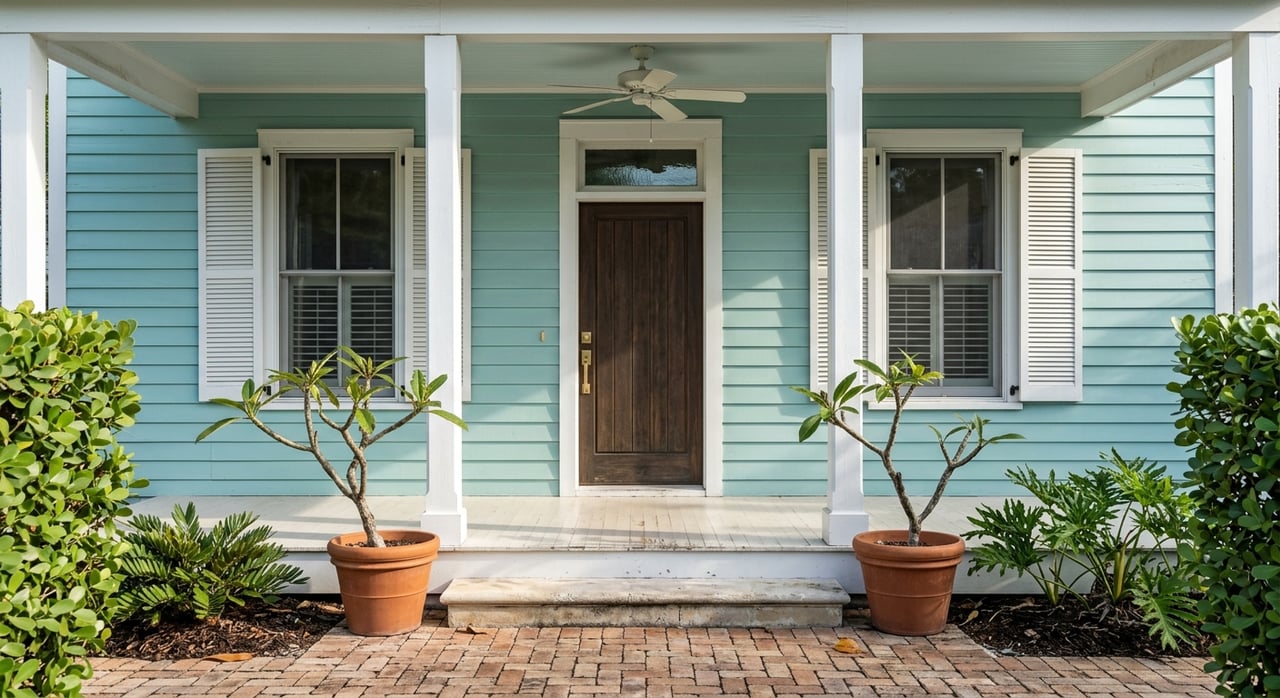
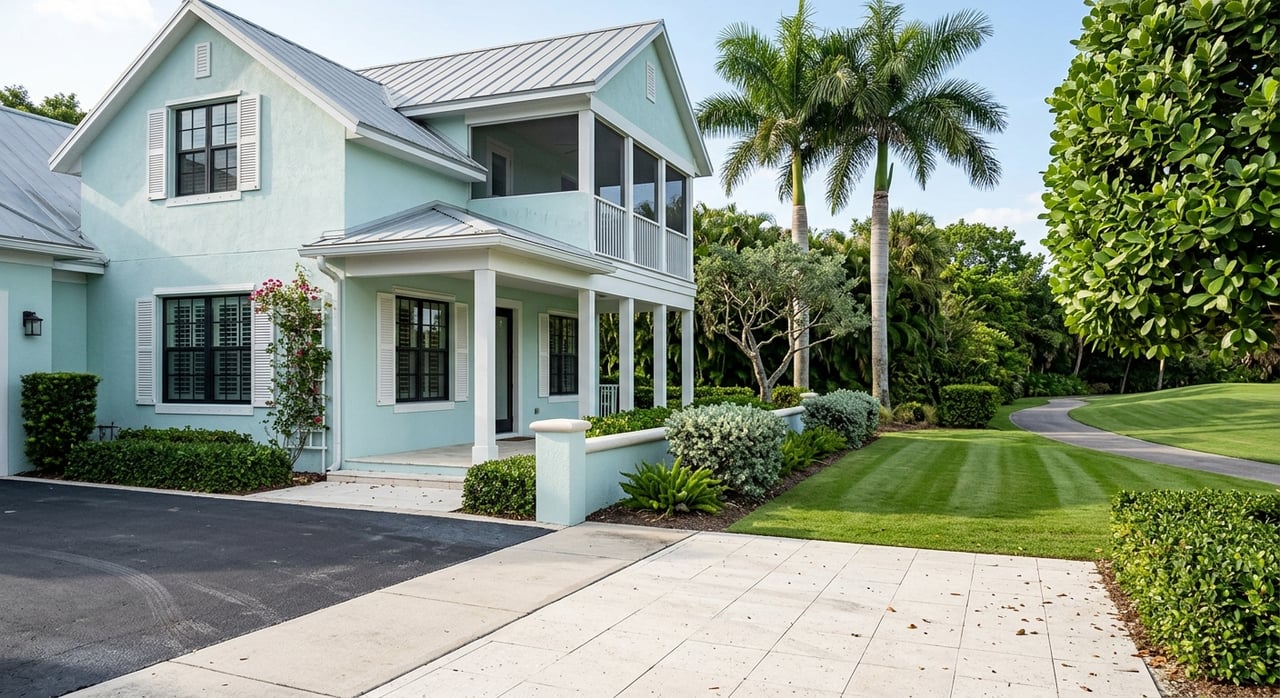
For many Old Town homes, the most memorable features are the ones that make the property feel unmistakably Key West. The city identifies common architectural elements such as wood siding, cornices, brackets, entablatures, shutters, columns, and balustrades as part of the area’s historic identity.
If your home still has these features, they should be highlighted in your marketing. They are not outdated leftovers. They are part of what makes the property special.
Buyers often look closely at windows and shutters because they affect both appearance and function. The city’s guidelines state that historic shutters should be retained and repaired when possible, and if replacement is needed, the new shutters should reflect the building’s original evidence and fit the window proportions.
The same care applies to visible pre-1945 window replacements. The city allows impact-resistant windows if they match the historic period in design, configuration, dimensions, materials, and color. For many buyers, that balance between storm readiness and historic compatibility is a major plus.
Your buyer is likely to meet your home online before they ever walk through the front gate. The National Association of Realtors found in its 2024 buyer research that all home buyers used the internet in their search, and the most valuable website content was photos, detailed property information, and floor plans.
For a historic Old Town home, that means your listing package needs to go beyond atmosphere. Beautiful photography is essential, but buyers also want a clear sense of layout, room function, condition, and upgrades.
A strong marketing package for a historic home should help buyers answer practical questions quickly. In many cases, that includes:
This is especially important in a market where buyers have time to compare one property against another.
Historic homes can be deeply appealing, but buyers still need help picturing daily life inside them. According to NAR’s 2025 home staging snapshot, 83% of buyers’ agents said staging made it easier for buyers to visualize a property as a future home.
In Old Town, staging works best when it respects the home’s age while making the layout feel usable and current. You do not need to erase the home’s personality. You do need to help buyers see how historic charm and modern comfort can exist together.
If a room has an unusual shape, an older footprint, or multiple possible uses, staging can provide clarity. A well-placed dining setup, reading area, or guest room layout can answer questions before buyers ask them.
This is often more effective than over-renovating. In many Old Town properties, the strongest impression comes from preserved character paired with visible livability.
When you sell a historic home, your paperwork can be just as persuasive as your curb appeal. The city’s guidelines note that photographs of buildings and streetscapes, old photos, and Sanborn maps can help document a building’s age, materials, and original appearance.
That same idea applies to resale. Buyers respond well when you can clearly show what is original, what was restored, what was upgraded, and what approvals were obtained along the way.
A strong pre-listing packet may include:
This kind of preparation helps your listing feel credible and complete. It also makes it easier to answer buyer questions quickly and consistently.
In Key West, resilience is part of the conversation. The city’s floodplain management page explains that the city is surrounded by the Gulf of Mexico and the Atlantic Ocean and is subject to coastal flooding, shallow flooding, and storm surge.
Because of that, buyers will often ask about flood maps, elevation certificates, insurance history, prior water intrusion, and mitigation work. Even if your home is historic, these questions are now standard.
The city’s mitigation guidance points owners to measures such as water-resistant materials, elevated electrical and mechanical equipment, sewer backflow valves, flood vents, swales, retention ponds, and permeable pavement.
If your home has any resilience-related improvements, they should be documented and presented clearly. Buyers want to know not just that a home is beautiful, but how it has been maintained for island conditions.
For some historically contributing structures, the city says a home may qualify for a FEMA historic-building exemption that allows substantial improvements without elevating the building, although machinery and utility equipment are not exempt from elevation requirements.
This can be meaningful to buyers comparing older properties with different renovation histories. If this applies to your home, it is worth understanding and explaining accurately.
Historic homes often come with longer ownership stories, multiple rounds of work, and older components. That is one reason buyers expect more complete disclosures.
According to Florida Bar guidance on residential disclosure obligations, a seller or broker who knows facts that materially affect value, and that are not readily observable, has a duty to disclose them. The same guidance notes that public-record issues affecting value should also be handled carefully.
If your home was built before 1978, federal law requires lead-based paint disclosures under EPA rules. That includes disclosure of known lead-based paint or hazards, providing the EPA pamphlet, and giving buyers a 10-day opportunity to conduct an inspection or risk assessment.
Beyond that, buyers of Old Town homes often expect a clear record of roof history, window replacements, HVAC or utility work, prior permits, flood history, and any unresolved code issues. Organized disclosure does not weaken your position. It usually builds trust.
One of the biggest questions sellers ask is how much to renovate before going to market. In Old Town, the answer is often less about dramatic change and more about thoughtful preparation.
The city’s guidelines make clear that preservation matters, and some simpler exterior projects may be approved administratively if they comply with standards, while more complex changes require fuller review. If you are considering work before listing, timing and approvals matter.
Before investing in large projects, consider whether your budget is better spent on:
In this market, buyers often respond better to a well-presented home with authentic details than to a generic remodel that strips out personality.
NAR also reports that buyers care deeply about daily living factors, including neighborhood quality, convenience to friends and family, and affordability. In Old Town, many buyers are not just comparing square footage. They are comparing the full experience of living in a walkable, historic part of Key West.
That means your home’s story should include both the property itself and the way it functions in everyday life. A strong sale combines architecture, condition, documentation, and lifestyle in one clear message.
If you are preparing to sell a historic Old Town home, the right strategy can help you protect value and appeal to today’s more selective buyer. For thoughtful guidance, elevated marketing, and local insight tailored to Key West, connect with Lori Langton.
I feel extremely blessed to call Key West my home, and I love helping others make their real estate sale or purchase a pleasant, productive and profitable one.

LORI LANGTON
Luxury Collection Specialist
(305) 923-1685
[email protected]
336 Duval Street
Key West, FL 33040