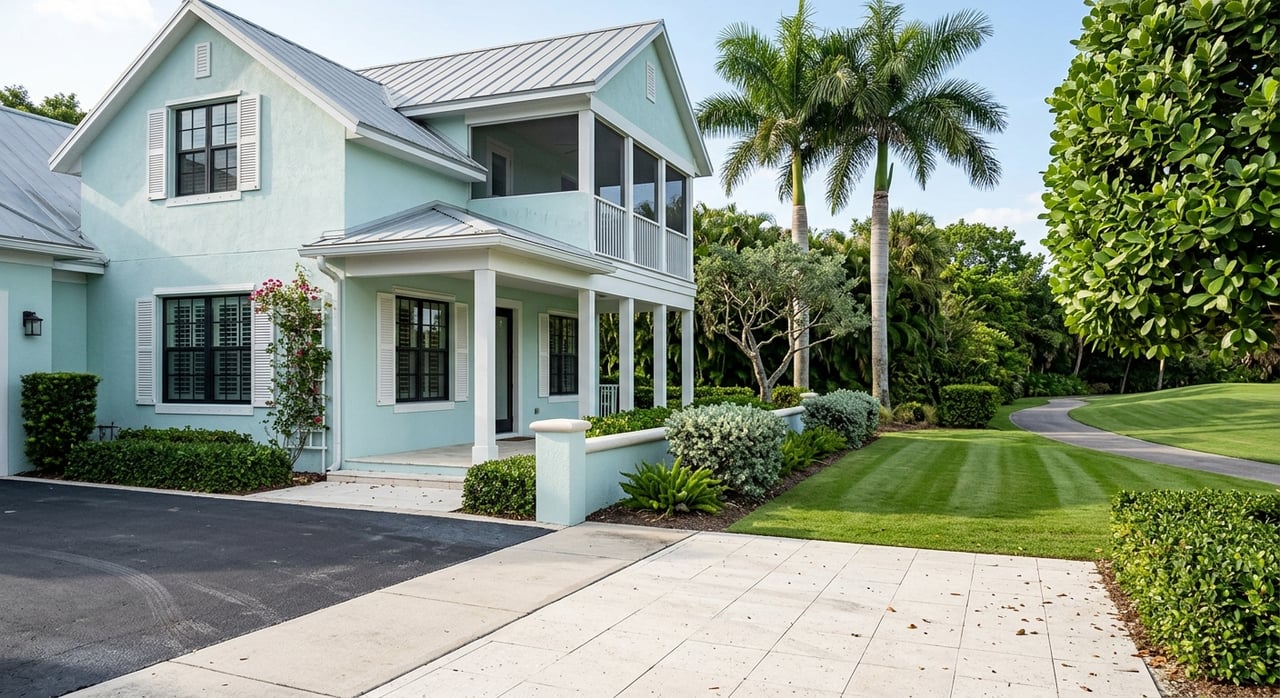
Living In The Key West Golf Club Community: What Buyers Should Know
Wondering whether Key West Golf Club offers the right version of island living for you? If you love the idea of a gated community, manicured surroundings, and a more structured residential setting, this neighborhood can stand apart from many other parts of Key West. Before you buy, it helps to understand how the community is set up, what daily life feels like, and where the trade-offs are. Let’s dive in.
Key West Golf Club is an HOA-governed residential development at the entrance to Key West. According to the association’s audited financial statements, it includes 390 units on about 46.5 acres and was established as a Townhome Planned Unit Development. That gives you a good sense of its scale and its planned, managed character.
The golf course and the residential community are closely connected, but they are not the same thing. The course itself is an 18-hole, par-70 Rees Jones-designed course spanning more than 200 acres, and the HOA handbook notes that while the community is gated, the public may still enter to access the course. For buyers, that means you get a private residential environment wrapped around a public golf amenity.
One of the first things buyers should know is that Key West Golf Club is not a one-style, one-layout neighborhood. The design guidelines cover both single-family homes and duplex town homes, which gives the community more variety than you might expect from a planned development. That variety can be helpful if you are balancing space, maintenance, and budget.
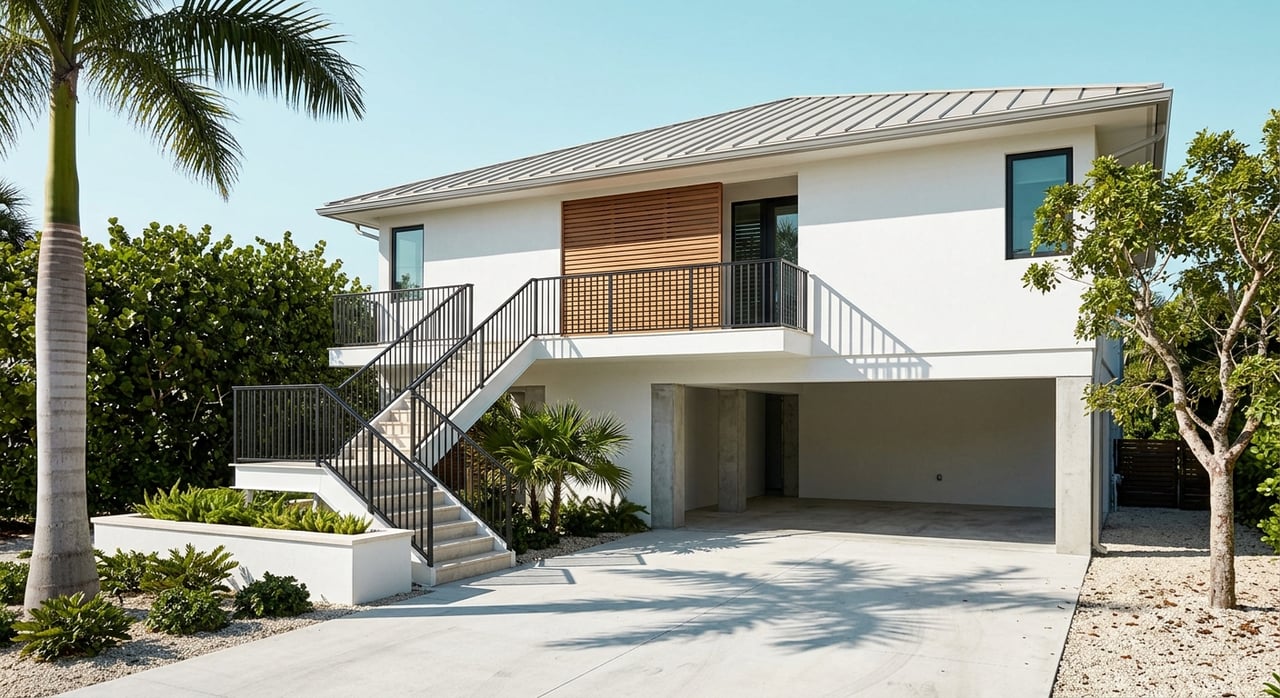
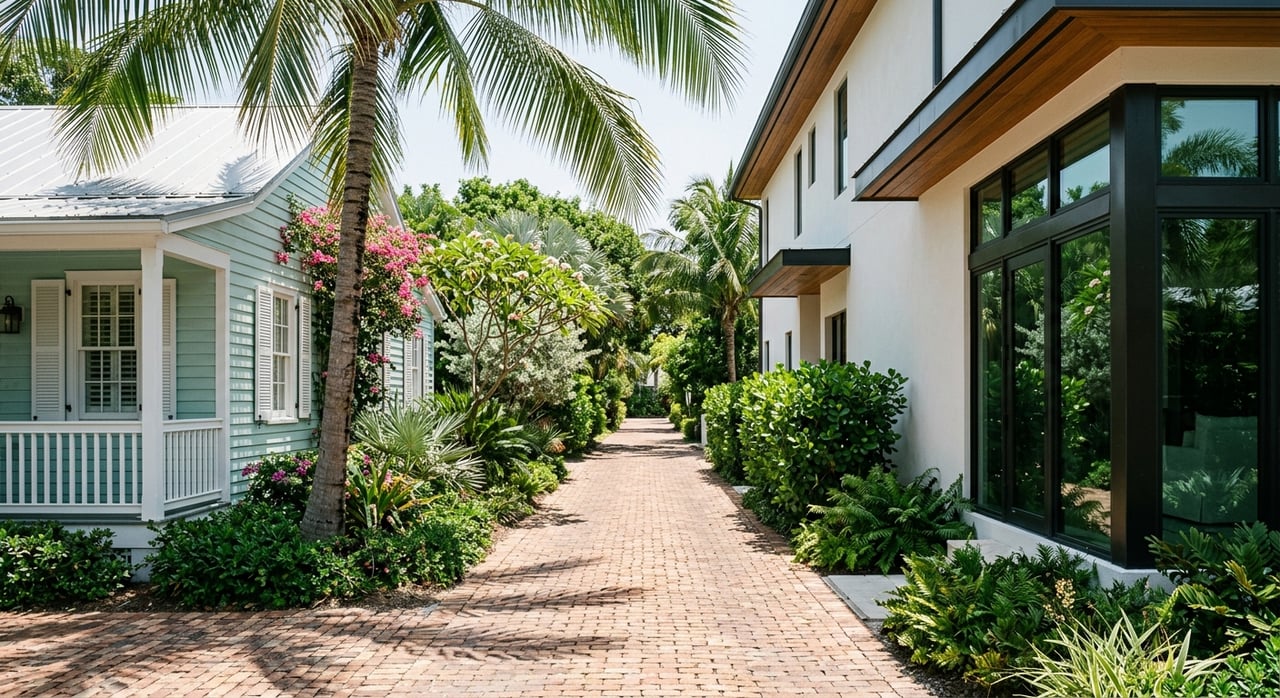
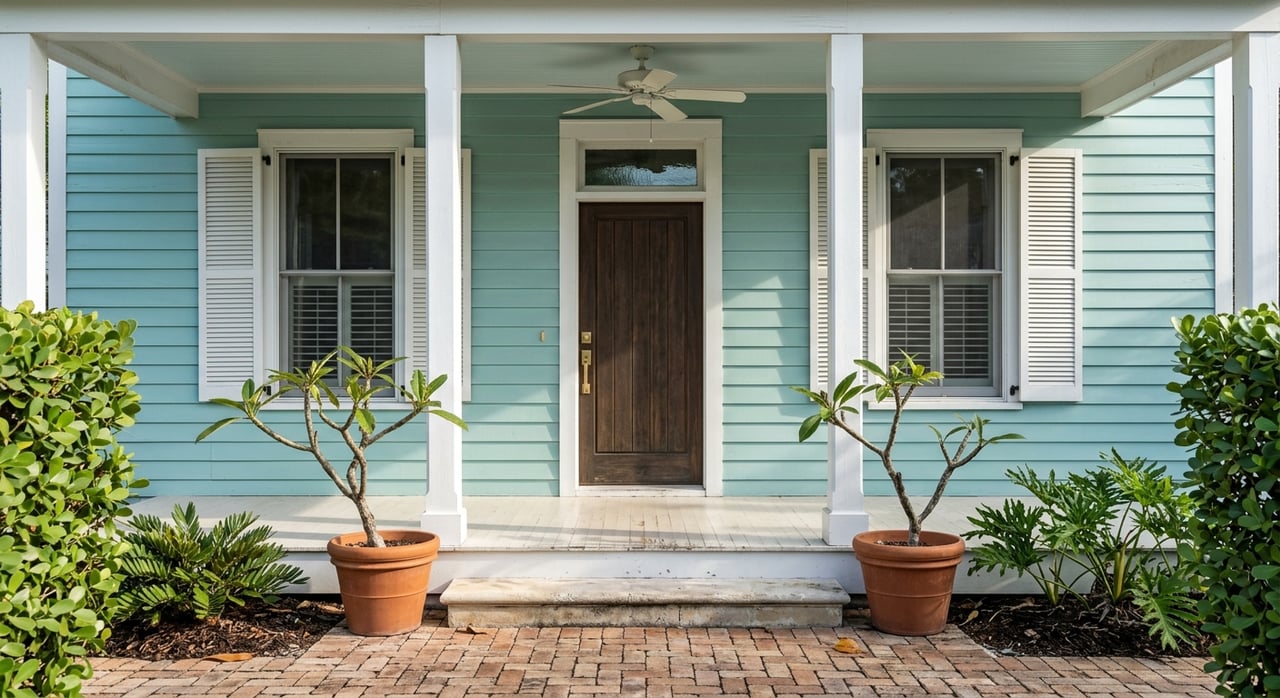
The architectural look is intentional and consistent. The guidelines call for historic Key West conch-style architecture, including porches, balconies, shutters, wood-frame forms, and one-, one-and-a-half-, or two-story structures. Traditional materials like V-crimp metal roofs and underground utilities add to the polished, cohesive feel.
Many single-family lots are designed with the front facing a primary street and the rear facing the golf course or wetlands. In practical terms, that can create a more landscape-oriented setting and a more secluded backyard feel than you would find in a traditional city grid.
The overall lifestyle here is more organized and controlled than in many other Key West areas. Shared elements maintained by the HOA include buildings, roads, parking areas, pools, landscaping, fencing, and recreational facilities. If you value a neighborhood that feels curated and consistently maintained, that can be a real advantage.
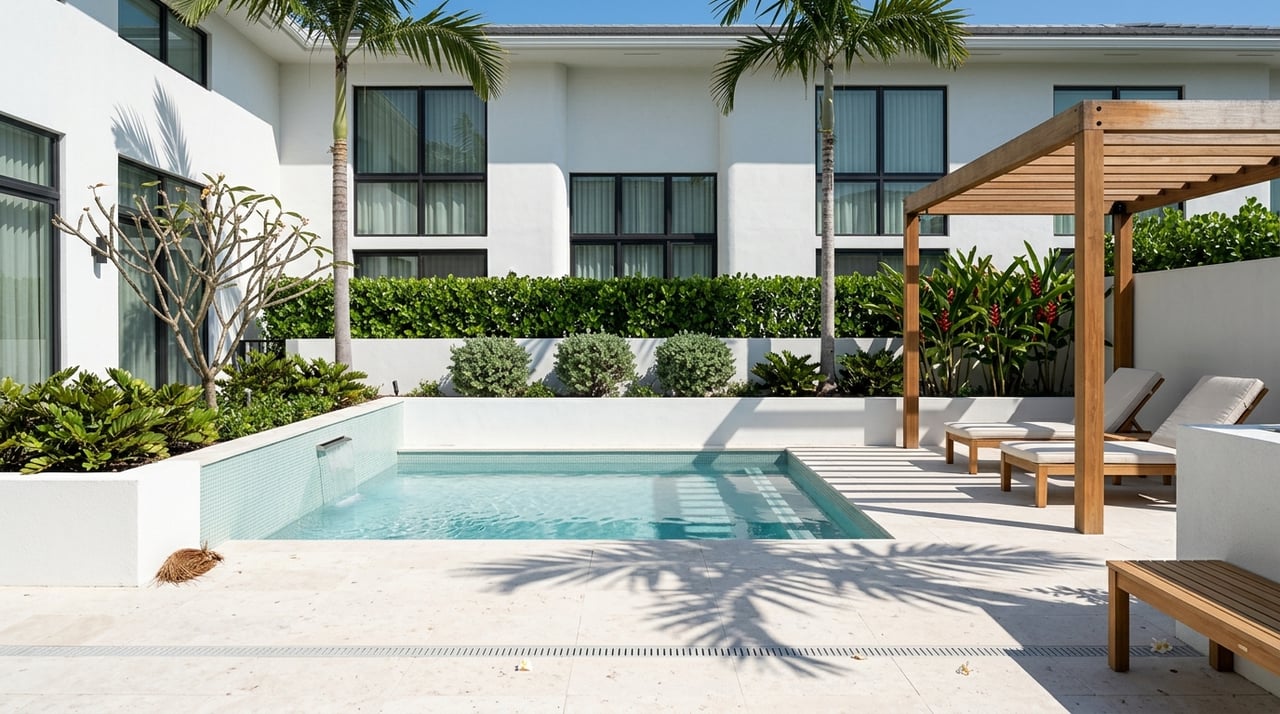
The community includes two heated pools. There is a smaller pool at Whistling Duck and Golf Club Drive, plus a larger family pool next to the Community Center. The exercise room is located in the Community Center, is open 24/7, and is controlled by card key access.
Security and entry procedures are a major part of the rhythm of life here. The HOA handbook states that the community has 24-hour security, and the current visitor system requires guests to be entered in advance. Owners and long-term tenants can use transponders for quicker access, with two transponders per house available.
If you are considering a purchase here, the HOA rules deserve careful attention before you make an offer. Key West Golf Club offers a strong sense of order and uniform appearance, but that comes with formal oversight. For some buyers, that structure is a benefit. For others, it may feel restrictive.
Exterior changes are tightly managed. The HOA requires Architectural Review Committee approval for items such as new windows, shutters, porch enclosures, and exterior paint color changes. Exterior colors are standardized, so you should expect limited freedom to personalize the outside of your home.
Landscaping is also highly regulated. The HOA states that every yard must be fully landscaped, and bare-earth areas are not allowed. The design standards call for hard-surface walkways, layered planting, and defined perimeter landscaping, all of which help explain the community’s tidy, intentional appearance.
Here are a few practical rules and processes buyers should ask about during due diligence:
For pet owners, the current policy is relatively clear. Pets must be registered, and the community allows no more than two dogs per home. The policy states there is no breed or size restriction, but leash, cleanup, and behavior rules are enforced.
That combination may appeal to buyers who want straightforward pet rules without breed or size limits. At the same time, it is still an HOA environment, so following the procedures matters.
Golf course frontage can be one of the community’s biggest draws. Depending on the location of the home, you may enjoy open views, more privacy behind the house, and a greener, more expansive backdrop than in many other parts of Key West. That setting is part of what gives the neighborhood its distinct identity.
Still, golf course living comes with practical trade-offs. The HOA handbook specifically notes that homes adjacent to the course carry the usual golf-ball risk, especially for rear yards and pools near the course. If you are considering a golf-adjacent property, it is worth evaluating the exact lot position and how comfortable you are with that exposure.
Many buyers looking in Key West also compare Key West Golf Club with Old Town. These are very different experiences. Official City of Key West historic district guidelines describe Old Town as a dense urban grid with primary streets, secondary lanes, small-scale houses, slower traffic streets, and mixed-use corridors.
Key West Golf Club feels far more planned and residential. Instead of organic street-by-street variation, you get a gated community with managed common areas, uniform exterior standards, landscaped yards, and a golf-course setting. If Old Town is about spontaneity and urban texture, Key West Golf Club is more about structure, privacy, and consistency.
Neither is inherently better. The right fit depends on how you want your day-to-day life in Key West to feel.
Key West Golf Club is inside the Key West island system, but it is not a beachfront community. City information shows major public beaches around town, including Smathers Beach, Higgs Beach, Rest Beach / C.B. Harvey Park, and Fort Zachary Taylor State Park. The most accurate expectation is that you will typically drive or bike to beach areas rather than walk directly onto the sand from home.
For many buyers, that is a perfectly comfortable trade-off. You are still on the island, but your home base is set in a more controlled residential environment rather than along a beach corridor.
This community tends to make the most sense for buyers who want a more defined residential experience. It can be a strong fit if you prefer clear rules, maintained shared spaces, and a neighborhood with a polished, cohesive appearance. It may also appeal if you want golf-course surroundings without giving up the convenience of being in Key West.
It may be less appealing if you want maximum exterior flexibility, spontaneous guest access, or the denser street life that defines areas like Old Town. The key is to match the community’s structure to your lifestyle, rather than focusing on the gates or the golf setting alone.
Before you move forward on a property in Key West Golf Club, make sure you understand not only the home but the community systems around it. A beautiful house can feel very different once you factor in visitor procedures, ARC approvals, and golf-course location. A little extra diligence up front can save you frustration later.
Ask questions like these:
Buying in a community like this is often less about whether you like the home on first impression and more about whether you will enjoy the neighborhood systems that come with it.
If you are weighing Key West Golf Club against Old Town, Midtown, or another part of the island, having local guidance can make the decision much clearer. Lori Langton can help you compare community feel, property type, and day-to-day lifestyle so you can buy with confidence.
I feel extremely blessed to call Key West my home, and I love helping others make their real estate sale or purchase a pleasant, productive and profitable one.
LORI LANGTON
Luxury Collection Specialist
(305) 923-1685
[email protected]
336 Duval Street
Key West, FL 33040