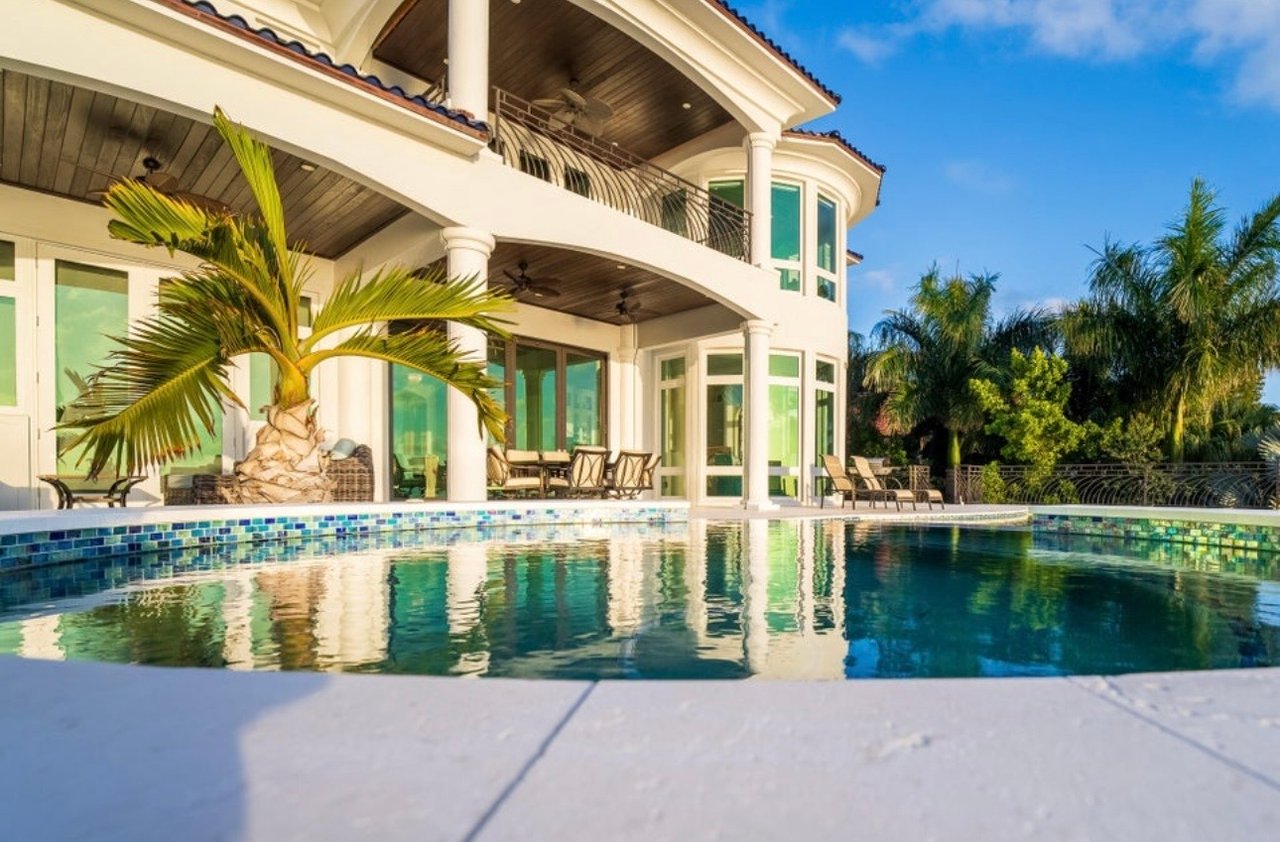
Understanding Shark Key Waterfront Home Values & Premiums
Why do two Shark Key homes with similar square footage and finishes sell for very different prices? If you are eyeing the water, the premium you pay or capture depends on a handful of factors that go far beyond a pretty view. You want clear guidance on what truly moves value so you can buy confidently or list with the right expectations. In this guide, you will learn how orientation, open-water exposure, dockage, privacy, risk, and access shape waterfront premiums on Shark Key, plus practical steps to quantify them. Let’s dive in.
West and northwest orientations often command a premium for sunset views and broad panoramas. East-facing lots bring cooler afternoons and gentle morning light, while south-facing exposures can feel brighter and warmer throughout the day. Orientation also influences wind exposure, glare, and energy use, which affect daily comfort and long-term livability.
Full open-water frontage typically earns higher valuations than canal or lagoon settings because of unobstructed sightlines, navigation ease, and perceived prestige. Buyers who prefer quieter water or fewer waves may favor canal or cove settings, which can trade a wider view for more protected conditions. Degree of exposure matters: full open water usually tops partial open water, which generally leads canal or lagoon.
A permitted private dock in good condition, sized for your boat, is a major value driver. Depth at mean low tide, lift capacity, and a clear route to open water without low bridges are key details serious boaters will pay for. If a property lacks a dock, nearby marinas can soften the impact, but private dockage usually retains a stronger premium.
Wider lots, thoughtful landscaping, and fewer neighboring sightlines often boost waterfront appeal. Homes that look out to open water with minimal boat traffic typically attract more interest than those facing dense development across the channel. Privacy is especially influential at the luxury level, where quiet outdoor living is a priority.
The condition and type of shoreline protection matter. Newer or well-maintained seawalls and stable shoreline designs reduce perceived risk and future expense. Lot elevation relative to flood requirements, raised building pads, and updated construction standards can help insurance, financing, and resale.
Flood zone designations, elevation, and wind exposure directly affect insurance costs and lending requirements. Rising premiums in high-risk coastal areas can compress what buyers are willing to pay, especially if insurability is uncertain. Obtaining early quotes can clarify carrying costs and keep deals on track.
Drive access, parking, and proximity to fuel, marinas, and services influence the size of the buyer pool. If access routes are narrow or travel times to essentials are long, that can reduce the realized premium. Convenience tends to matter more to frequent visitors and active boaters.
Waterfront is finite on Shark Key, so prices follow inventory and buyer depth. When quality open-water listings are scarce, the premium typically widens. In periods with more supply or insurance friction, premiums may narrow.
Collect a consistent set of facts for your subject property and nearby sales:
Use recent sales on Shark Key that closely match the subject’s size, age, and condition, then isolate the waterfront feature you want to quantify. Examples:
When you have only a handful of comps, simple proxies can help. Price per linear foot of usable frontage is one tool, as long as you adjust for water depth, view quality, and navigation. You can also treat the dock as a separate amenity and compare close matches with and without a permitted dock to estimate its contribution.
Do not compare homes across very different micro-locations or with big differences in elevation or condition. Confirm dock permits and seawall status before assigning value. Always adjust for insurance costs, especially across different flood zones or construction vintages.
Open-water panoramas are prized for lifestyle and resale, yet they may bring more boat traffic and less seclusion. Canal or cove settings are often quieter and more protected, which some buyers prefer. Decide which matters most and price accordingly.
A deep-water, permitted dock with a lift is a top-tier amenity for boaters. Factor in ongoing maintenance, potential storm repairs, and the time and cost to renew permits. If you are not an active boater, a simpler dock may suffice without paying for oversized capacity.
West-facing views deliver sunsets but may add afternoon heat and glare, often requiring shading solutions. East-facing can feel cooler in the late day, which some owners prefer for outdoor dining. Prevailing southeast trade winds shape how breezy or choppy your waterfront feels in different seasons.
Flood zone, elevation, and wind exposure drive insurance pricing and requirements. Higher expected premiums limit buyer budgets and can shrink the qualified pool. Ask for quotes early so you can evaluate the true carrying cost.
Mangroves and submerged aquatic vegetation can limit dock expansion or shoreline changes. Permitting for new shoreline work often requires multiple agencies, lead time, and documentation. Plan design choices around what is realistically permitted.
Start with matched-pair comps in the Shark Key submarket. Adjust for negatives such as an aging seawall, shallow water, or unpermitted structures. Provide documentation up front to reduce buyer uncertainty and support your ask.
Ensure your dock and seawall are permitted and in sound condition. Small, targeted repairs often deliver better returns than cosmetic swaps. Stage and photograph the view at the optimal time of day, and use drone visuals to highlight open-water exposure and boat access.
Unpermitted or failing docks and seawalls, or shallow water at low tide, deter many buyers. Sightline obstructions or future development potential that could block views reduce premiums. Properties in higher-risk flood zones with costly insurance often face a narrower audience.
Spell out water type, orientation, linear feet of frontage, dock specs and permits, recent shoreline work, and FEMA flood zone. If your route to open water has no low bridges and you have verified depths, say so. Include inspection and permit documents in your listing package whenever possible.
Dock and shoreline projects typically require approvals from multiple agencies. Protected mangroves or sensitive vegetation can change design and timing. Build lead times into your plan and document what is permitted today.
Map updates and evolving coastal construction standards affect costs and design choices. Elevation and code-compliant improvements can improve insurability and long-term value.
Coastal insurance pricing and availability shift with market conditions. Premium changes can widen or narrow waterfront premiums by altering buyer carrying costs. Check the latest data when you price or make an offer.
Sea-level rise and chronic flooding concerns factor into buyer due diligence. Newer shoreline protection, higher elevations, and resilient construction can help preserve value over time.
Buyer activity often peaks in winter months for second-home shoppers. Listing during high season can improve exposure and support a stronger premium, especially for open-water properties.
If you are buying, weigh view quality, dock utility, privacy, and insurance together to decide where a premium is worth it. If you are selling, document what you have, tune up the seawall and dock, and price with matched-pair comps. In a small island market, details drive value and preparation wins. For a tailored plan and up-to-the-minute comps on Shark Key, connect with Lori Langton for concierge-level guidance.
I feel extremely blessed to call Key West my home, and I love helping others make their real estate sale or purchase a pleasant, productive and profitable one.
LORI LANGTON
Luxury Collection Specialist
(305) 923-1685
[email protected]
336 Duval Street
Key West, FL 33040