Are you torn between a charming conch house and a turnkey condo in Old Town Key West? You are not alone. Old Town draws buyers who want walkability, history, and easy access to beaches, marinas, and Duval Street. In this guide, you will compare condos and single‑family homes side by side, understand the rules that shape how you use each property, and map your next steps with confidence. Let’s dive in.
Old Town at a glance
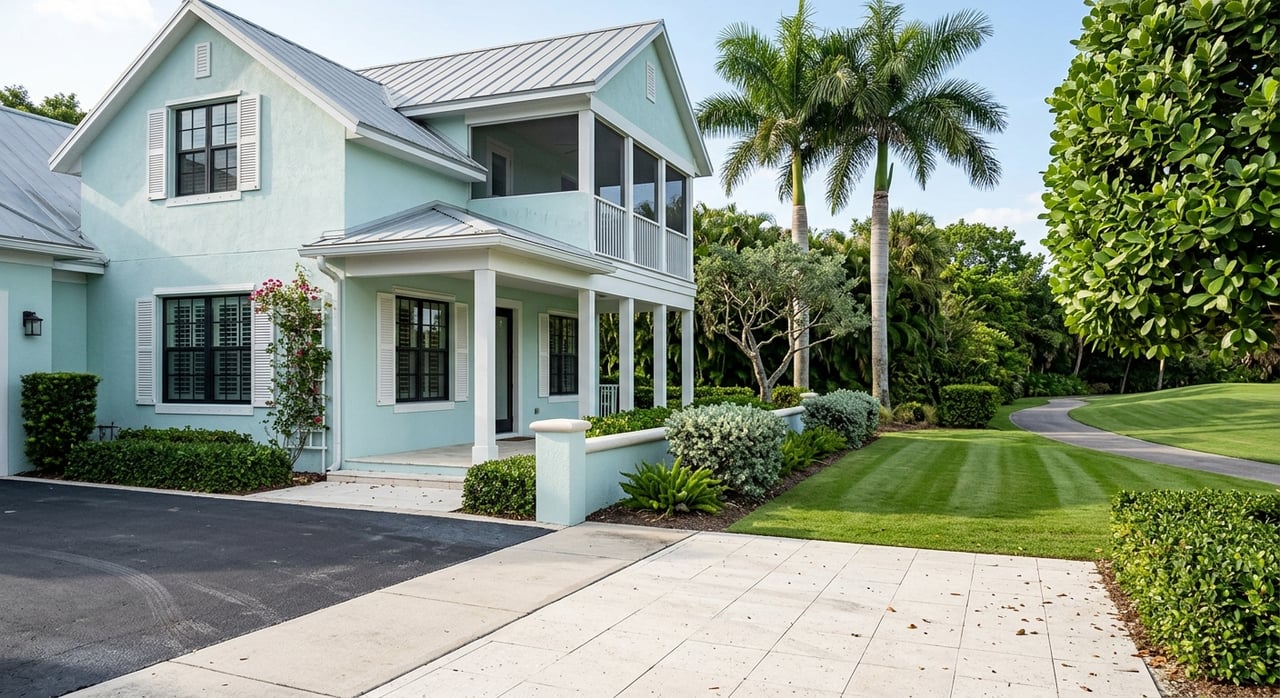
Old Town is compact and very walkable, with narrow streets and historic architecture in Victorian and Caribbean styles. Many homes sit on smaller lots than you might see on the mainland, so private yards and off‑street parking can be limited. Boutique condo buildings are mixed in among single‑family homes and small multifamily properties.
Historic preservation is a defining feature here. Exterior changes often fall under a Historic District review process. That can affect your timeline, your materials, and what you can add or alter. Knowing this up front helps you choose the right property type and plan improvements realistically.
Condos vs homes: lifestyle tradeoffs
If you picture mornings on a private porch or afternoons by a shared pool, your ideal day can steer the choice.
- Single‑family home: You typically get more privacy, interior space, and storage. A private yard or pool is possible, and waterfront homes may include a dock or seawall. You control your outdoor space, design choices, and daily rhythm.
- Condo: You usually trade some private space for shared amenities like a pool, roof deck, or fitness area. Noise from neighbors or the street can be part of the experience in some low‑rise or courtyard buildings. In return, you get a lock‑and‑leave lifestyle close to the action.
Both options in Old Town score well for walkability. Condos near Duval or the waterfront can be especially convenient if you want minimal upkeep with amenities on site.
Maintenance and time commitment
Maintenance is where these property types diverge the most.
- Single‑family home: You handle everything outside and in. That can include roofing, exterior paint, landscaping, pest control, and, if applicable, seawall or dock upkeep. Historic homes may require specialized work and more frequent attention due to age, materials, and humidity.
- Condo: The HOA typically covers the building exterior, roof, common area HVAC, landscaping, and shared utilities. You focus on your unit’s interior and any items not covered by the master policy. HOA dues simplify upkeep but can change, and special assessments are possible.
If you want low hands‑on involvement, condos make life easier. If you want full control over timing and scope of projects, a house fits better.
Rental flexibility and income potential
Short‑term rental potential is a major factor for many Old Town buyers. You should understand both city rules and building rules before you buy.
- City rules: Key West regulates short‑term rentals with permits, licensing, zoning, occupancy limits, and parking standards. Rules can change, so confirm the current requirements and whether the specific property has or can get the right permit.
- HOA rules: Many condo associations limit or prohibit short‑term rentals in their bylaws. Even if city rules allow it, your condo’s documents may not. Minimum stays and registration requirements are common.
Practical differences:
- Condo pros: Turnkey operations can be simpler when services, security, or management contacts are already in place. Your personal maintenance burden is lower during frequent guest turnovers.
- Condo cons: Rules and assessments can impact net income. Guest parking and building policies may limit flexibility.
- Single‑family pros: You control features and rates. A private yard, dock, or distinctive historic character can command premium pricing.
- Single‑family cons: Operating costs are higher per turnover. Pool care, landscaping, exterior maintenance, and insurance can add up.
Always think of STR feasibility as a two‑step test. You need municipal permission and, for condos, clear HOA approval.
Financing differences to expect
Lenders evaluate condos and single‑family homes differently.
- Condos: Your lender may review HOA financials, reserves, insurance limits, and the building’s overall health. Some loan programs have condo project approval requirements, which can affect timelines and terms.
- Single‑family homes: Underwriting is usually more straightforward, though properties in high‑risk flood or hurricane zones can prompt additional requirements.
If you plan to finance, assemble HOA documents early for condos and confirm any program‑specific approvals with your lender.
Insurance in a coastal market
Insurance is a core affordability factor in Key West. Both condos and single‑family homes face flood and wind risk.
- Flood: Much of Old Town sits in FEMA flood zones where lenders require flood insurance. Premiums depend on elevation, flood zone, and mitigation features. Getting quotes early helps you compare apples to apples.
- Wind and hurricane: Wind coverage is critical. Florida’s insurance market has been volatile, and coverage may involve higher deductibles. Some owners use a state‑backed option when private coverage is limited.
- Policy structure: Condo owners typically carry an HO‑6 policy for interior coverage and liability, while the HOA holds a master policy for the building. Single‑family owners carry full homeowner coverage for the structure and contents, plus flood and wind as needed. Understanding master policy terms like bare‑walls versus all‑in is essential.
Bottom line: quotes can vary more than you expect. Build this into your budget early and compare both property types with real numbers.
Historic district and coastal permits
Old Town’s historic character is protected. Exterior changes, additions, and demolitions often require review and approval. That can influence whether you update windows, add a pool, or modify porches.
Waterfront features add another layer. Docks, seawalls, and boat lifts can require local, state, and federal permits. Environmental rules may apply to mangrove trimming or marine structures. If waterfront living is your priority, plan for permitting timelines and engineering requirements.
Resale and liquidity
Resale value in Old Town is driven by location within the neighborhood, historic character, condition, and permitted uses.
- Single‑family homes: Scarcity and uniqueness can support premium pricing and liquidity, especially for distinctive historic homes or properties with private docks.
- Condos: Lower entry price points can widen your buyer pool. Resale depends heavily on building health, including reserves, maintenance, and any litigation or special assessments. Rental flexibility also plays a role in demand.
Markets shift, and second‑home segments can be more cyclical. Focus on attributes that hold value across cycles, such as walkability, architectural appeal, and well‑maintained structures.
Cost preview: dues vs ownership
Use this quick lens to gauge recurring costs and control.
- What HOA dues may cover: exterior maintenance, roof, common area systems, landscaping, shared utilities, and master insurance. You pay for your unit interior and HO‑6 coverage. Dues can change, and special assessments may occur.
- What house ownership may include: full building insurance, flood and wind policies, exterior upkeep, landscaping, pool care, pest control, and any seawall or dock maintenance. You control the schedule and vendors, but costs are less predictable.
Neither path is inherently cheaper in Old Town. Total cost depends on the property’s condition, elevation, building health, and how you plan to use it.
How to choose your Key West base
Match your plan to the property type that fits it best.
- You want low‑maintenance island living: Consider a condo close to your favorite restaurants and marinas. Look for solid reserves and clear rental rules that align with your goals.
- You want privacy and character: A single‑family conch house offers outdoor space, unique design, and control over improvements. Be ready for hands‑on upkeep and historic review for exterior work.
- You prioritize rental income: A single‑family home with compelling features can outperform, but operations and insurance costs are higher. A condo in a rental‑friendly building may simplify management, with net income shaped by HOA rules and assessments.
- You are weighing future flexibility: If you value the option to renovate or expand, a house generally offers more control. If you value simplicity and shared amenities, a condo wins on convenience.
Smart next steps
Before you write an offer, line up these items so you can compare specific properties clearly.
- Recent comparable sales for similar condos and houses in your target micro‑location.
- City short‑term rental permit status for the property and its zoning designation.
- Full HOA packet for condos: bylaws, rental rules, reserve study, recent financials, master insurance, and meeting minutes.
- Historic District status and any prior approvals or denials for exterior work.
- Flood zone and elevation certificate if available, plus a recent survey.
- Insurance quotes for homeowner or HO‑6, flood, and wind coverage.
- Inspections for termites, mold, HVAC, roofing, and for waterfront homes, seawall or dock condition.
- Local registration needs for transient rental taxes and expected yield estimates from a reputable property manager.
Choosing between a condo and a house in Old Town is about your lifestyle, your time, and your tolerance for rules versus responsibility. With the right guidance, you can enjoy the best of Key West on your terms.
Ready to compare real properties, HOA documents, and rental rules side by side? Connect with Lori Langton for a tailored plan and on‑the‑ground insight into Old Town’s micro‑markets.
FAQs
Are condos or single‑family homes more expensive in Old Town Key West?
- Single‑family homes often command higher prices due to scarcity and land value, while condos can offer lower entry prices. Always verify with current comps for your specific area of interest.
Can you run a short‑term rental in Old Town Key West?
- It depends on City of Key West permits and zoning, plus HOA bylaws for condos. You must meet both municipal rules and any association rules for rentals to be allowed.
How do flood and wind insurance differ for condos vs homes in Old Town?
- Both face notable flood and wind risk. Condo owners rely on a master policy for the building and carry an HO‑6 for interiors, while single‑family owners carry full homeowner coverage plus flood and wind. Quotes vary by property.
Will historic rules limit renovations in Old Town Key West?
- Exterior changes in the Historic District often require review and approval. This can affect materials, design choices, and timelines for additions, window changes, and porches.
How do HOA dues for Old Town condos compare with owning a house?
- HOA dues bundle many exterior costs but add a monthly fee and possible special assessments. With a house, you pay for all upkeep directly and control timing, which can be less predictable month to month.