Shopping for a high-end home in Key West and wondering how to finance it? You are not alone. Many island purchases land in jumbo territory, which changes how lenders underwrite, price, and time your loan. In this guide, you will learn what makes a loan jumbo, what lenders expect, how rates are set, and what is unique about Key West and Monroe County. Let’s dive in.
What is a jumbo loan in Key West?
A jumbo loan is any mortgage amount that exceeds the conforming loan limit set each year by the Federal Housing Finance Agency for the county where the property is located. These loans are nonconforming, so they are not eligible for purchase by Fannie Mae or Freddie Mac, and they are priced and underwritten differently.
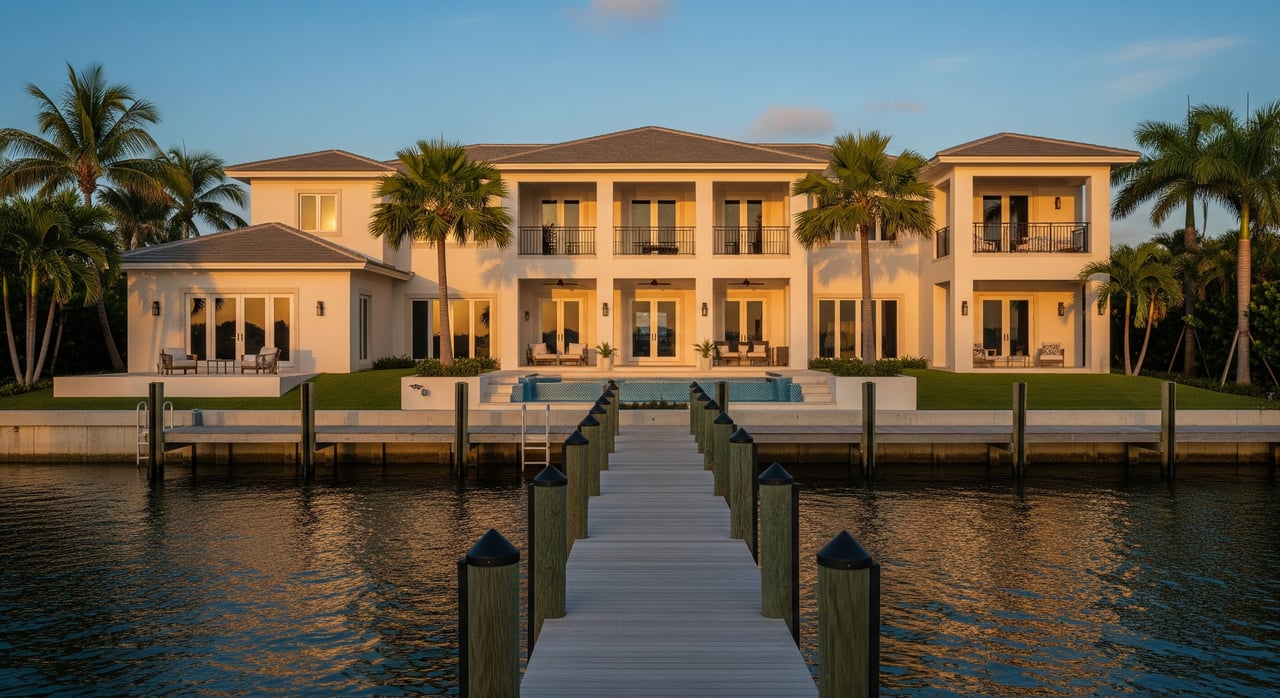
In Monroe County, the threshold changes each year with FHFA updates. Some years the county aligns with the national baseline, while in others it may be designated as a high-cost area. Because so many Key West homes, waterfront properties, and Sunset Key condominiums are priced well above the baseline, many buyers here use jumbo financing or pay cash.
How to check the threshold for your search
- Confirm the current FHFA conforming loan limit for Monroe County for the year you plan to buy.
- Estimate your loan amount after down payment. Any amount above the county limit is jumbo.
- Ask your lender to verify the limit and how it applies to your purchase type and property.
What lenders look for on jumbo loans
Jumbo lenders take on more risk because there is no agency guarantee. As a result, they ask for stronger credit profiles, more documentation, and larger liquid reserves. You will want to prepare early so you can move quickly when you find the right home.
Documentation checklist
- Recent pay stubs and W‑2s for the past two years, or full tax returns and profit‑and‑loss statements if you are self‑employed.
- Employment verification and income history.
- Bank and investment account statements to document your down payment and required reserves.
- Source‑of‑funds documentation for transfers and gifts, including a gift letter if allowed.
- A credit report review and explanations for any derogatory items.
- A full appraisal, and for condos, a project review covering financials, insurance, litigation, and occupancy.
- Identification, title documents, and HOA or condo documents, if applicable.
- Evidence of hazard, wind, and flood insurance, where required.
- For second homes or properties with rental income used for qualification, permits and income documentation if the lender allows it.
Common underwriting benchmarks
- Credit score: Often 700 to 740+ for best pricing. Some lenders prefer 720+ for larger loans. Lower scores may be possible with more reserves and higher rates.
- Down payment: Commonly 20 percent minimum. For larger loans, second homes, or marginal credit, many lenders ask for 25 to 30 percent or more. Some portfolio lenders may allow lower down payments case by case.
- Debt‑to‑income ratio (DTI): Typical maximums range from about 43 to 50 percent, depending on reserves and compensating factors.
- Cash reserves: Expect 6 to 12 months of PITI as a starting point. Larger loans or second homes often require more.
- Employment history: Usually two years of stable income. Self‑employed borrowers should plan for additional documentation, such as year‑to‑date P&L and balance sheets.
- Appraisal and valuation: A full appraisal is standard. For unique or luxury waterfront properties, lenders may request additional valuation work or even a second appraisal.
- Condo/project review: Condo projects undergo a detailed review of reserves, insurance, special assessments, litigation, and ownership mix. Some projects may not meet conventional criteria and could require portfolio jumbo financing or a larger down payment.
- Gift funds: Rules vary. Expect to document the donor, provide a signed gift letter, and show clear asset tracing and seasoning of funds.
How jumbo rates are set
Jumbo loans are priced in the non‑agency mortgage market. Rates respond to Treasury yields, corporate bond spreads, investor appetite for non‑agency products, and the liquidity and capital needs of banks and portfolio lenders. Because of these factors, the spread between conforming and jumbo rates can widen or narrow over time.
You may find that jumbo rates are sometimes higher than conforming rates. In certain markets and lender strategies, jumbo rates can be very competitive and even lower. Pricing varies by lender, loan size, down payment, credit score, and whether you choose a fixed or adjustable product. Shopping across banks, credit unions, portfolio lenders, and mortgage brokers can make a meaningful difference.
Rate lock strategy
Jumbo lenders can be more cautious with locks. You may encounter lock‑fee structures, shorter lock periods, or deposits for long locks. Coordinate lock timing with your lender and agent to account for appraisal scheduling, condo or project reviews, and any unique property factors that could add days to underwriting.
Fees and points
Jumbos can carry higher lender or third‑party fees than smaller loans. You may see origination points, higher appraisal costs, and project review fees for condos. Compare full loan estimates, not just the headline rate, when you evaluate offers.
Key West factors that can change your approval
Key West’s island setting brings specific underwriting and timing considerations. Planning for these early gives you more control and lower risk during escrow.
Insurance and flood requirements
- Lenders require adequate hazard insurance and, where applicable, flood insurance. Many Key West properties fall in higher‑risk coastal or flood zones.
- Flood premiums in Florida have seen pressure in recent years. Get preliminary quotes early so your lender can size monthly payments and reserves.
- Windstorm coverage and deductibles matter. A wind mitigation inspection can sometimes help with premiums.
Condos and island projects
- Luxury condos and private island communities often have detailed HOA rules and rental restrictions. Lenders will review reserves, insurance, special assessments, litigation, and owner‑occupancy.
- Some projects do not meet conventional criteria. You may need portfolio jumbo financing or a larger down payment for those buildings.
Short‑term rentals and local rules
- The City of Key West and Monroe County regulate transient and short‑term rentals. If you plan to use rental income to qualify, the lender will require permits and verifiable income history.
- Where rentals are restricted, lenders will underwrite the property as a primary or second home instead of an investment property.
Appraisal timing on luxury and coastal homes
- Experienced appraisers for waterfront and unique properties can be in short supply. Turn times may be longer than you expect.
- Lenders may request additional comparable sales, market addenda, or a second appraisal for very distinctive properties.
Title, taxes, and closing costs
- Florida closings use title insurance and closing agents. Expect full title searches, review of easements and access agreements, and higher title premiums on larger loan amounts.
- Factor Monroe County property taxes and any special assessments into your PITI and reserve planning.
Liquidity and local sales dynamics
- Large island transactions can take longer to negotiate and close. If your down payment depends on asset sales or a home you are selling elsewhere, your lender will need clear documentation of timing and proceeds.
Plan your financing timeline
Getting ahead of the process can save you weeks and give your offer an edge.
- Get fully pre‑approved, not just pre‑qualified. Provide income and asset documents upfront so your pre‑approval letter carries weight.
- Start insurance quotes early. Share preliminary premium estimates with your lender to avoid surprises in your DTI and reserve requirements.
- Request the condo or HOA package quickly. If you are buying a condo, start the project review on day one. Delays here can affect rate locks.
- Organize and season funds. If you are liquidating securities or moving money, allow 60 to 120 days of account history. Keep a clean paper trail for gifts and transfers.
- Plan your rate lock. Choose a lock period that covers the expected appraisal and underwriting timeline, including any condo or project reviews.
- Allow extra time to close. Compared with standard conforming loans, jumbo underwriting can add 1 to 3 weeks because of appraisals, insurance, and documentation requests.
- Shop multiple lenders. Compare quotes from national jumbo lenders, local banks that keep loans in portfolio, credit unions, and mortgage brokers. Evaluate rates, reserves, condo appetite, and fees.
For second‑home and condo buyers
Buying a second home or a luxury condo in Key West often means tighter jumbo guidelines. Lenders may ask for larger down payments and more months of reserves than they would for a primary residence. If you plan to count rental income, make sure local rules permit it and gather permits and income history in advance. For condos, be prepared for detailed project reviews and the possibility of portfolio financing if the building does not meet standard criteria.
Your next step
A strong jumbo strategy can make your Key West purchase smoother, faster, and more confident. If you want help coordinating lenders, insurance quotes, condo documents, appraisals, and closing timelines, connect with a local advisor who does this every day. To discuss your goals and refine a plan that fits your timeline, reach out to Lori Langton for a friendly, no‑pressure conversation.
FAQs
How large does a loan need to be in Key West to be a jumbo?
- Any mortgage above the FHFA conforming loan limit for Monroe County for the current year is a jumbo; confirm the current county limit before you shop.
Do I need a bigger down payment for a second home or a Sunset Key condo?
- Often yes; lenders commonly require larger down payments and more reserves for second homes and for condo projects with tight rental rules or complex insurance.
Will interest rates be much higher for a jumbo?
- It depends on the market and the lender; jumbo rates are set in the non‑agency market, so spreads versus conforming loans change over time and by lender.
Can I use short‑term rental income to qualify for a jumbo mortgage in Key West?
- Only if rental activity is permitted locally and the lender accepts it with documentation; expect to provide permits and verifiable income history.
Are appraisals and condo reviews harder for Key West luxury properties?
- They can be more complex and take longer, especially for waterfront or unique homes and island condos; plan extra time for valuation and project review.