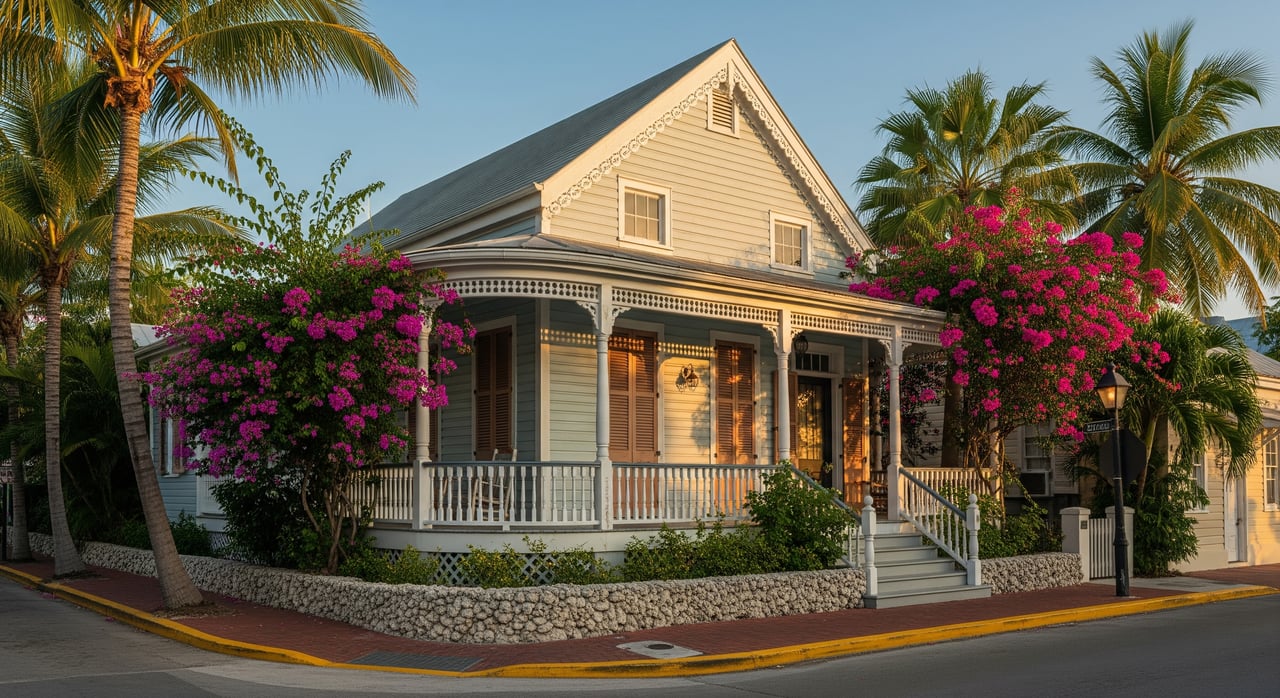
Old Town Key West Architecture & Historic Home Styles
You fall in love with Old Town at first porch swing. The streets feel timeless, and every clapboard façade tells a story. If you’re thinking about buying or renovating here, knowing the architectural styles helps you spot value, plan smart updates, and preserve what makes this neighborhood special. In this guide, you’ll learn how to identify the most common Old Town home types, what they mean for day-to-day living, and the practical upkeep each one needs. Let’s dive in.
Old Town Key West sits within the Key West Historic District, which is listed on the National Register of Historic Places. That means exterior changes often go through local historic-preservation review. Understanding that process upfront saves time and protects your investment.
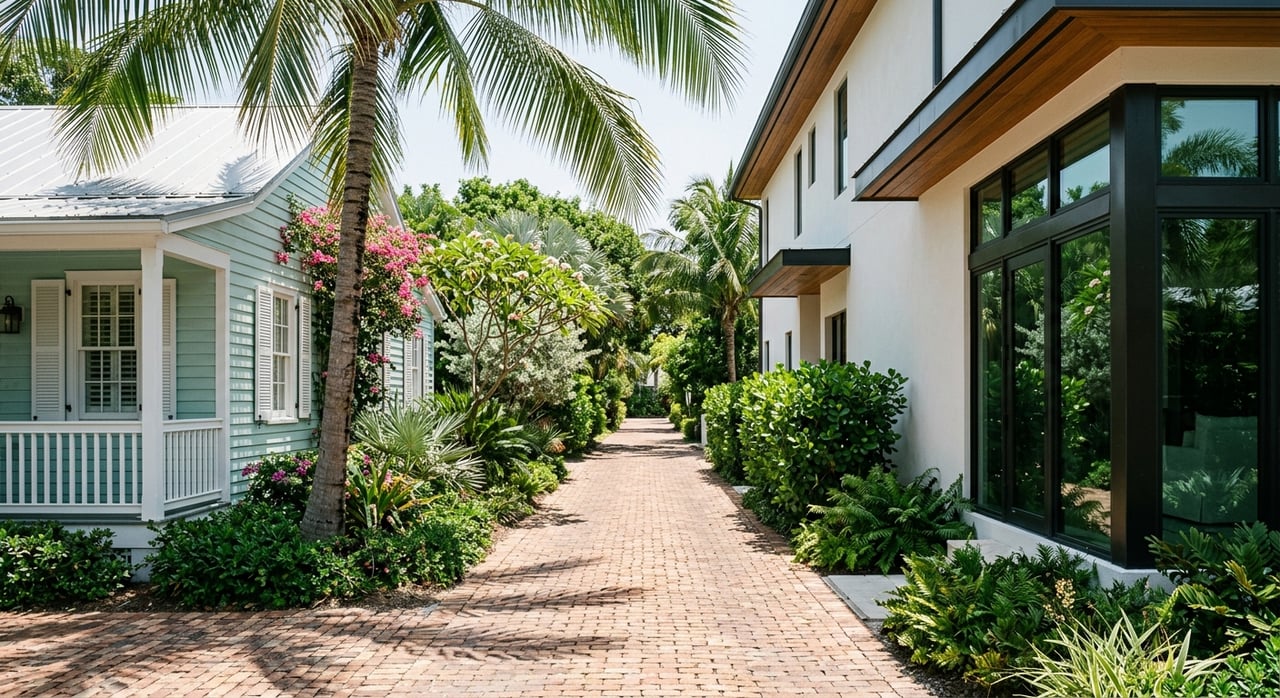
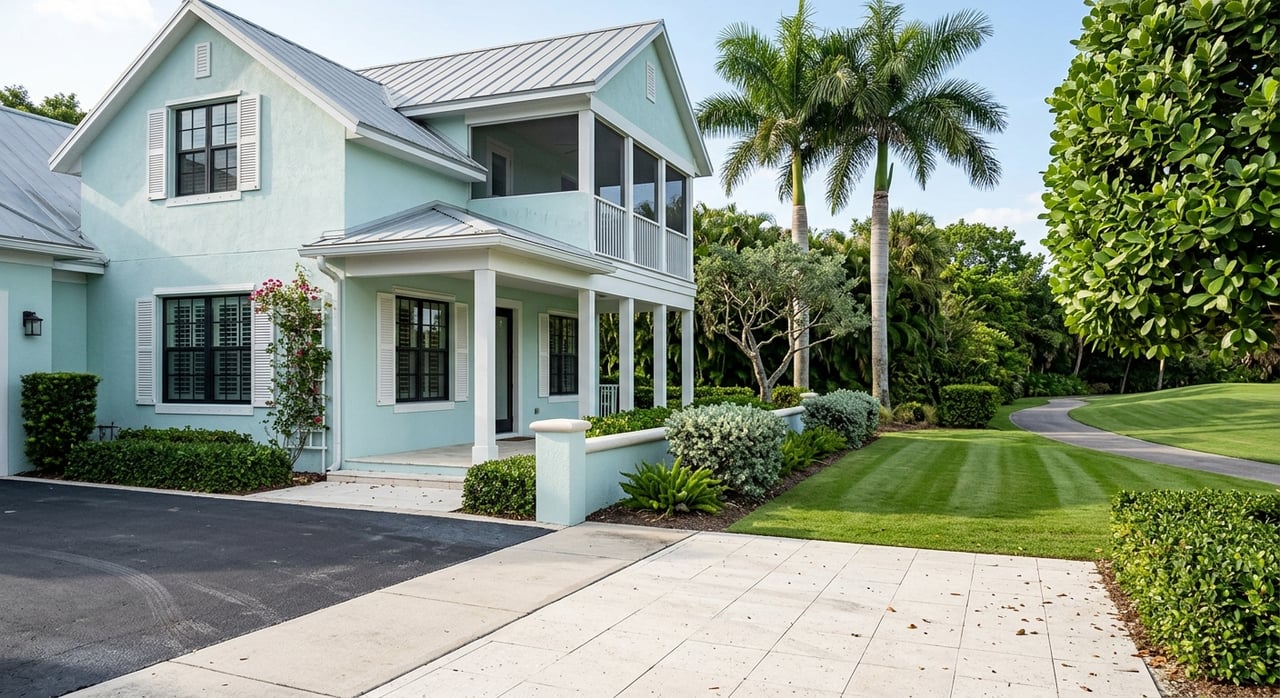
Local style blends Bahamian, Caribbean, Cuban, and New England influences with practical responses to heat, humidity, and storms. Think deep porches, high ceilings, louvered shutters, and metal roofs. The result is a tropical vernacular that is beautiful, resilient, and highly livable when cared for correctly.
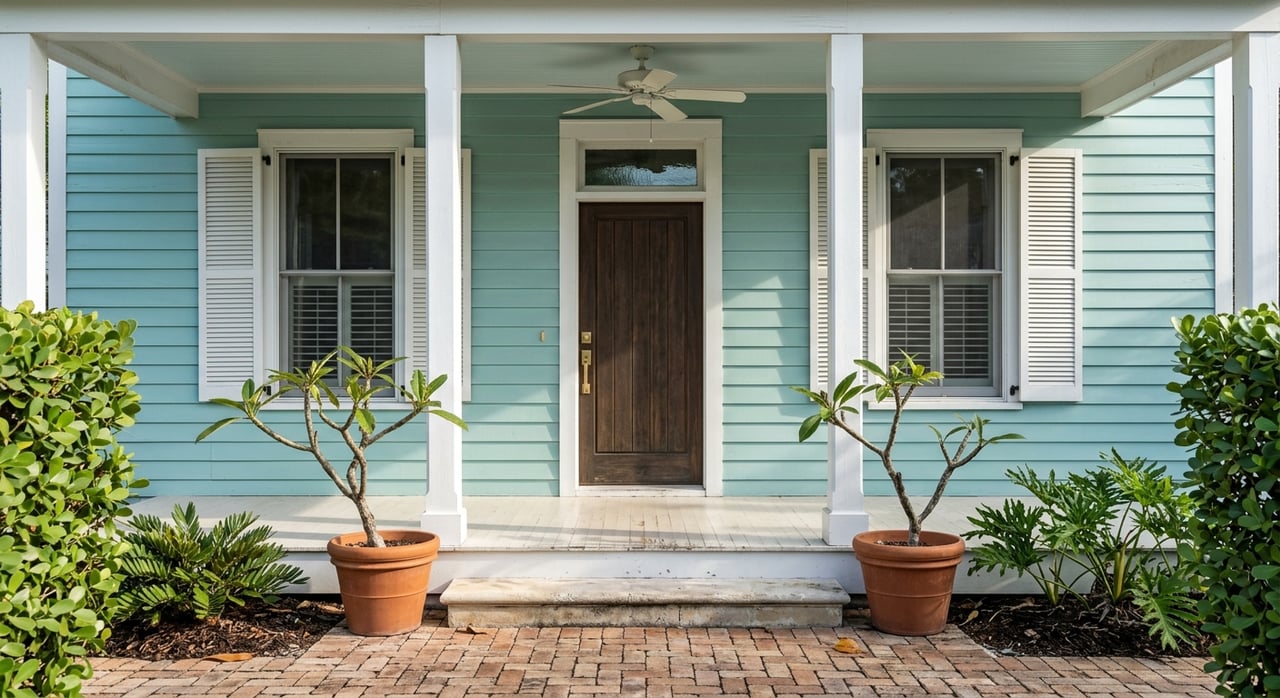
Conch houses are the signature Old Town look. You’ll notice wood-frame construction with horizontal siding, simple rectangular plans, and full or partial front porches. Metal roofs are common and practical.
Inside, tall ceilings and cross-ventilation help keep spaces comfortable. Many sit on short piers to reduce moisture and improve airflow. Expect charming details like wood shutters, turned posts, and broad eaves that shade windows.
These cottages share DNA with Conch houses but lean into Caribbean features. You’ll often see recessed or deep porches, generous roof overhangs, and abundant louvers to control sun and capture breezes. Plans are usually compact and oriented to the outdoors.
They live larger than their square footage suggests. Raised floors, shaded porches, and airflow make them comfortable in the Keys climate with modest energy loads.
Built in the late 19th and early 20th centuries, cigar-maker cottages reflect Key West’s Cuban heritage. These are typically small, efficient homes on narrow lots with simple front porches.
Interiors tend to be intimate and adaptable, sometimes with exterior stairs to upper rooms. The lot size and close spacing add to the neighborhood’s walkable feel, but can limit additions and parking.
During boom times, some owners added Victorian flair. Look for gingerbread trim, brackets, turned posts, and decorative balustrades. You might also see bay windows and larger two-story forms.
These homes often feel more substantial inside. The tradeoff is higher maintenance, especially on ornate millwork and original wood details that need careful painting and repair.
You may encounter shotgun houses and narrow row homes on select blocks, along with small modern infill that respects historic context. Accessory structures are common too, such as guest cottages or converted carriage houses on deeper lots.
Porches are true outdoor rooms in Key West. Morning coffee, sunset chats, and shade on hot afternoons are part of the rhythm of life. Breezeways and small courtyards extend living space beyond the walls.
Landscaping often features tropical plantings, coral rock walls, and mature trees. Thoughtful drainage and plant choices preserve historic features while keeping yards comfortable and low-maintenance.
Many historic homes were designed for a different era. Expect cozier rooms, fewer closets, and separate living spaces rather than open plans. Sensitive updates can improve function without losing character.
Common projects include kitchen and bath expansions, adding guest suites, or upgrading systems. If you seek a wide-open great room, you may need design compromises to keep historic form intact.
Lots are often small and houses are closely spaced. Off-street parking can be limited and is a key consideration if you own more than one vehicle.
Outdoor areas shine in Old Town. Shade, privacy, and smart hardscaping go a long way on compact lots. Many owners transform small yards into lush retreats.
Old Town is popular with visitors, and regulations for short-term rentals vary by location and zoning. Rules have changed over time and are actively enforced.
If rental income is part of your plan, confirm current city regulations and any neighborhood restrictions before you buy. Never assume a home is eligible without checking.
Salt air, humidity, UV, and termites are constant factors. Plan for annual roof and flashing inspections, regular paint and exterior wood maintenance, and routine termite prevention. Keep an eye on porch decking, railings, and pier foundations.
Historic materials like wood siding and metal roofs look right and perform well, but they require care. Some owners choose modern substitutes that mimic historic profiles. Visible changes may need historic review.
Old Town is low-lying and exposed to storms. Wind mitigation, impact-rated glazing or approved shutters, and strong roof tie-downs are critical. Flood insurance and wind insurance are meaningful ownership costs, so budget accordingly.
If you buy a contributing historic structure, resilience upgrades are often possible with coordination. Elevating mechanicals, adding flood vents, or strengthening roof assemblies can be done while preserving character.
Exterior changes visible from public ways typically go through review by the Historic Architectural Review Commission. That includes windows and doors, roofing materials and color, porch alterations, siding, additions, and sometimes paint.
Interior work is usually outside review unless it affects structure or the exterior. Before planning larger projects, confirm the property’s status and talk with staff early to understand what will be approved.
High ceilings, shade, and breezes allow for efficient cooling. Many owners pair this with high-efficiency mini-split systems, LED lighting, and targeted insulation strategies that protect historic fabric.
Solar can be fit into the district with careful placement and design review. When done well, you can reduce operating costs without compromising curb appeal.
Every Old Town property is unique, even within the same style. Two Conch houses can live very differently based on orientation, shade, and prior renovations. Before you act, map your lifestyle needs to the home’s strengths.
As a buyer, prioritize structure, roof, mechanicals, and resilience features that reduce long-term costs. As a seller, highlight authentic architectural details, recent preservation work, and outdoor living spaces. With the right strategy, the qualities that make Old Town special also make it a wise investment.
If you want a guide who understands both the romance and the realities of Old Town living, reach out. Lori Langton offers concierge-level advice, vendor introductions, and a clear plan for buying or selling with confidence.
I feel extremely blessed to call Key West my home, and I love helping others make their real estate sale or purchase a pleasant, productive and profitable one.
LORI LANGTON
Luxury Collection Specialist
(305) 923-1685
[email protected]
336 Duval Street
Key West, FL 33040